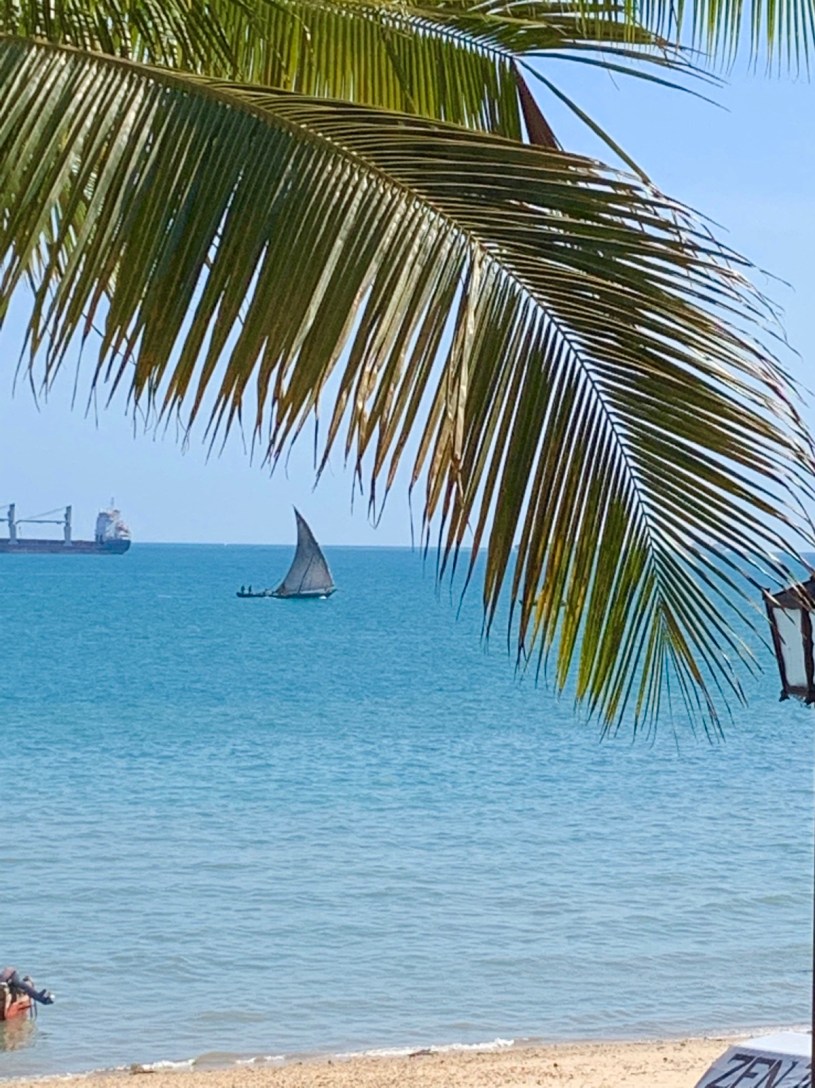
Zanzibar, the Spice Island. In our imaginations we had been conjuring up images of swaying palm trees, romantic dhows sailing slowly across the horizon. Balmy tropical evenings. Oh and of course Freddie Mercury. But not much more, so we’re super excited to be here and to discover it and learn more!
This may be yet another tropical Indian Ocean island, but yes this is Africa. In fact we’re only a couple of hours ferry ride away from mainland Tanzania, to whom since 1964 Zanzibar has belonged, although in a semi-autonomous kind of way. (For those who like an interesting little fact, Tanzania was up until this time actually called Tanganyika, but merged its name with Zanzibar to become Tanzania!).
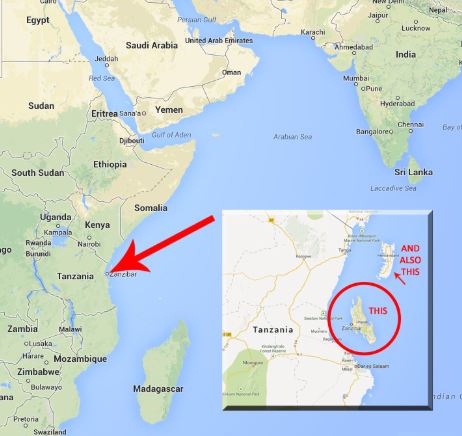
Earlier back it was a British Protectorate, an Omani Sultanate and even the Portuguese were in there. Along with a heady mix of mainland African, Arab, Persian, Indonesian, Malaysian, Indian, and Chinese merchants and traders. All of this you can see reflected in the most amazing olde-worlde architecture and on the faces of the people you meet. It truly is a fascinating place!
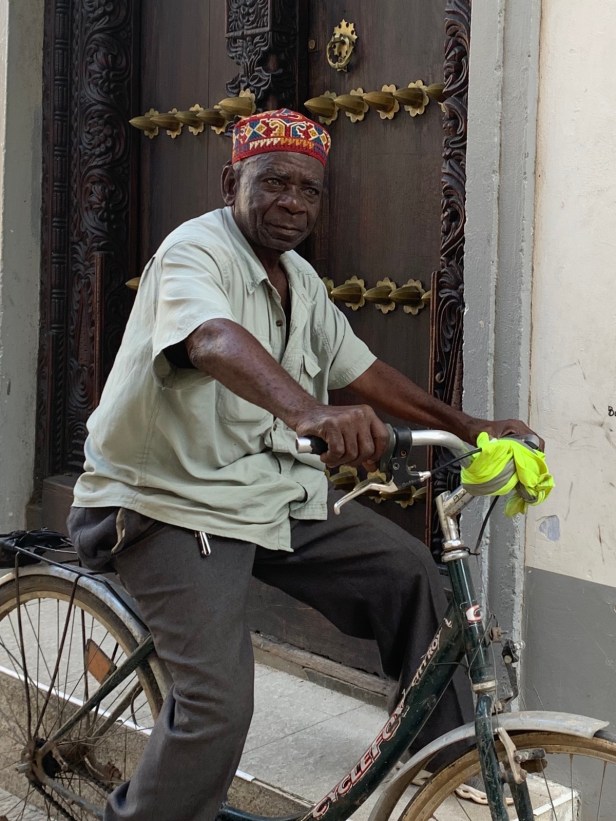
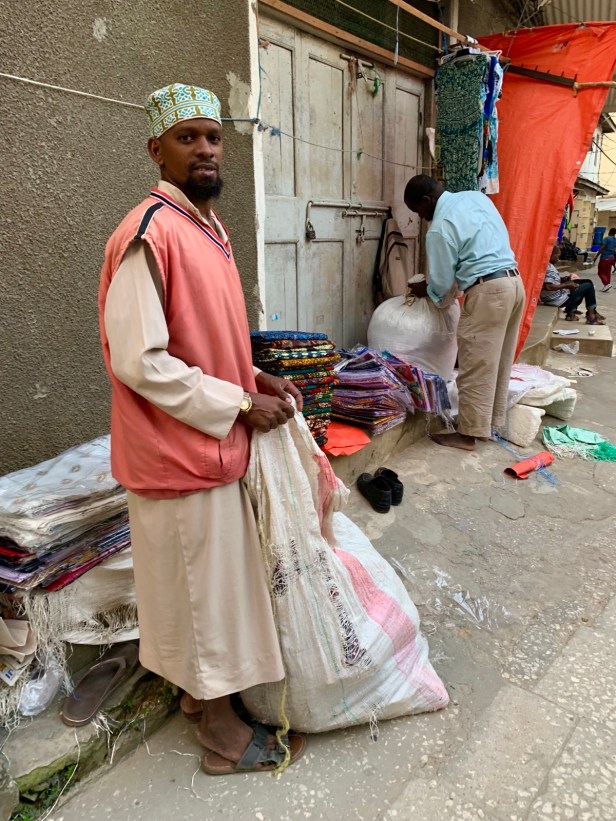
And so much history written across those faces. For over a thousand years, ethnic Swahili have migrated from the African mainland to the Zanzibar, today forming the majority of the population of just under a million. But given Zanzibar’s trading importance in the western Indian ocean there are significant Arab, Indian and Persian communities. Although mainland Tanzania is predominantly Christian, Zanzibar itself is 99% Muslim, which made for a very interesting visit during Ramadan, and even more so when we passed back through again during Eid!
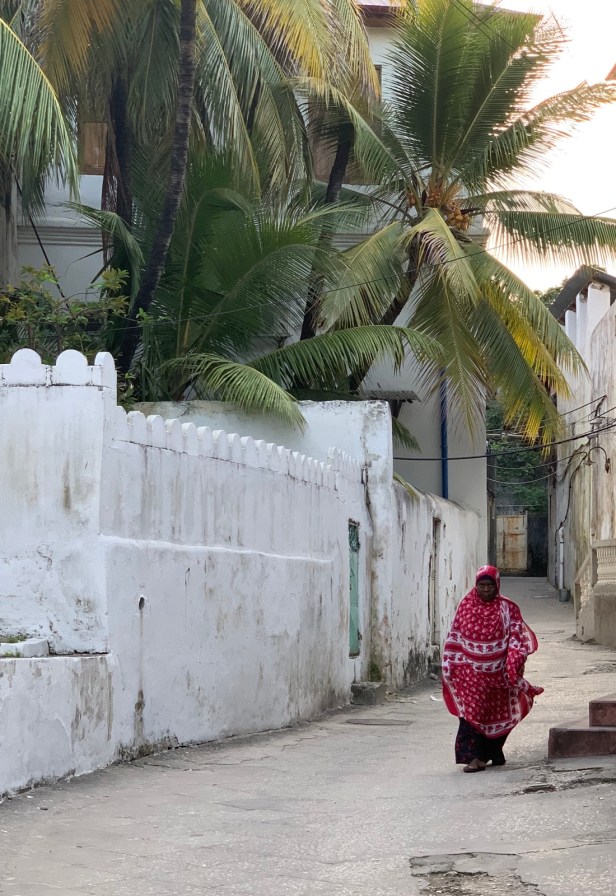
Our adventure however begins in Stone Town, the historic quarter of the capital Zanzibar City and a mesmerising mix of history and culture.
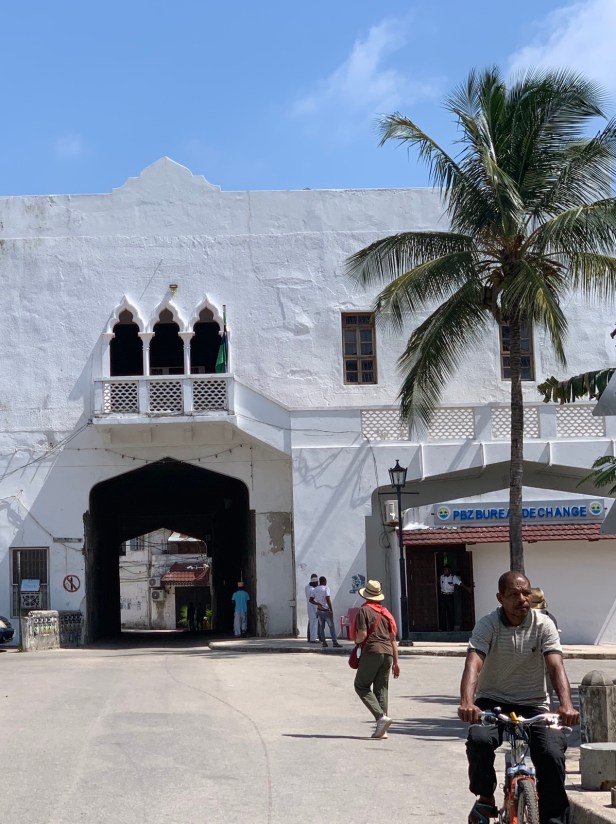
We didn’t have much planned during our couple of days in Stone Town, but rather just to wander around the maze of streets and alleys that make up this charming town and to soak up the atmosphere. And that we did.
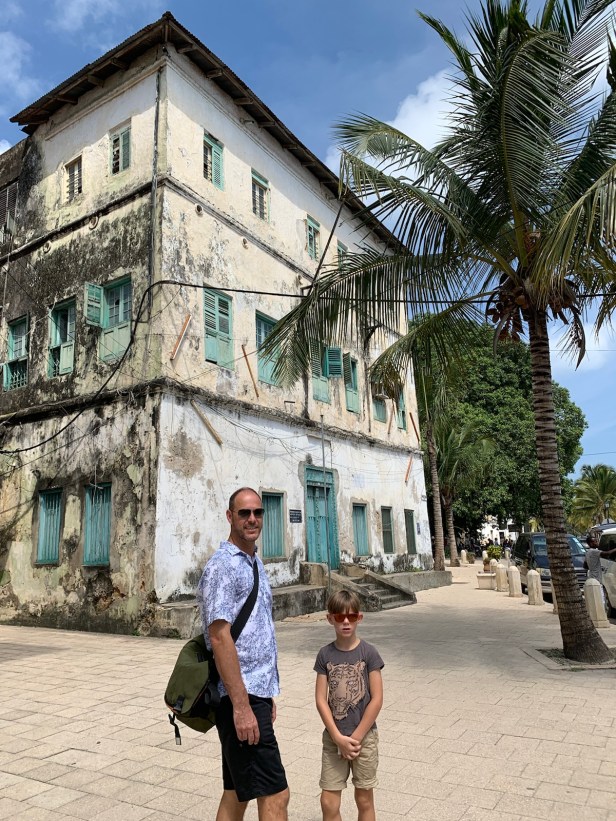
Our walking tour took us past many beautiful buildings in differing states of decay. The architecture was truly amazing. A ramshackle medley of Arabic, Indian and European styles.
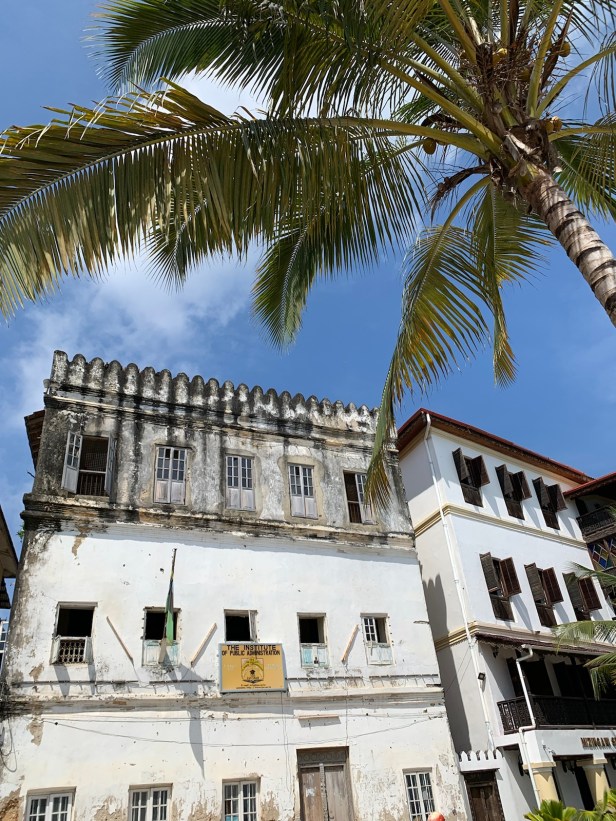
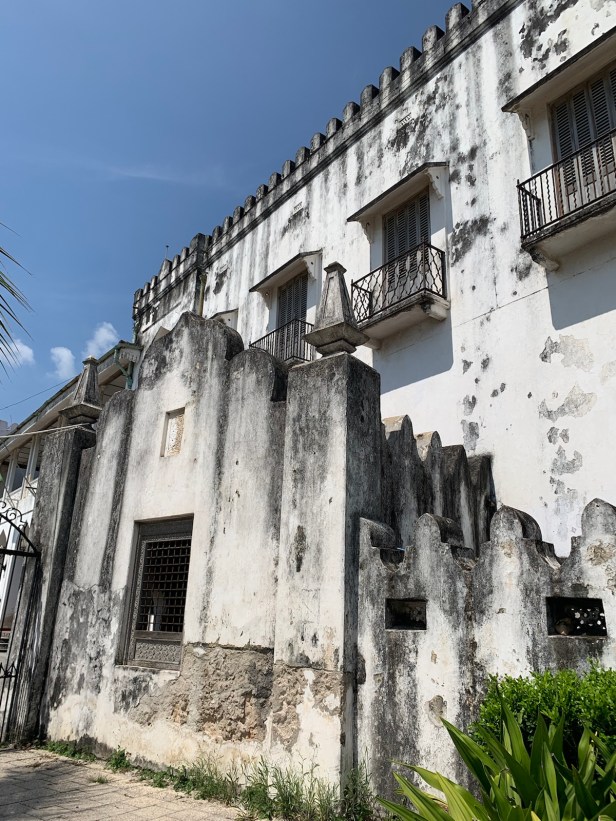
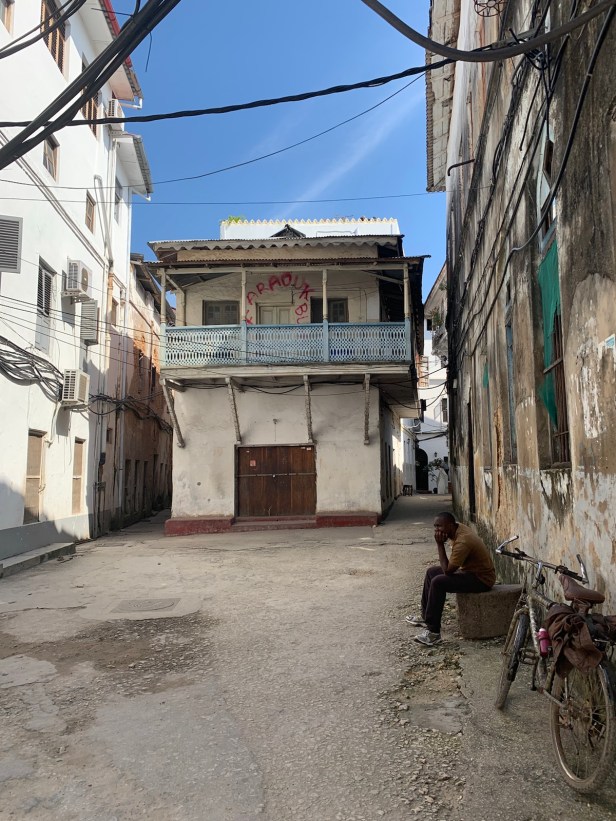
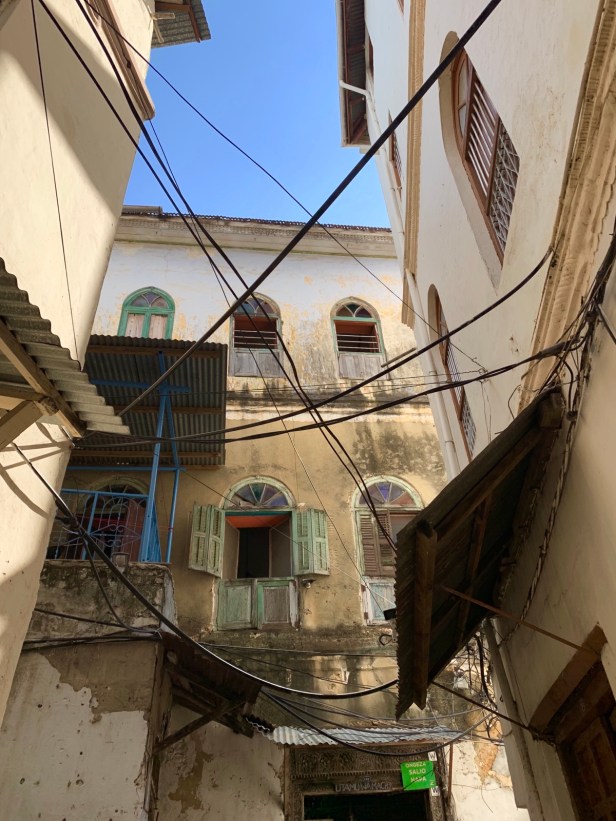
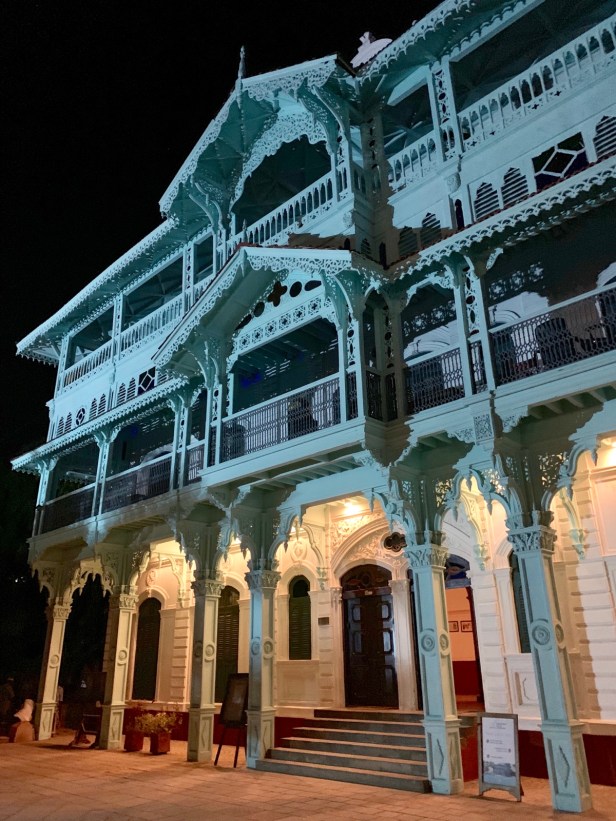
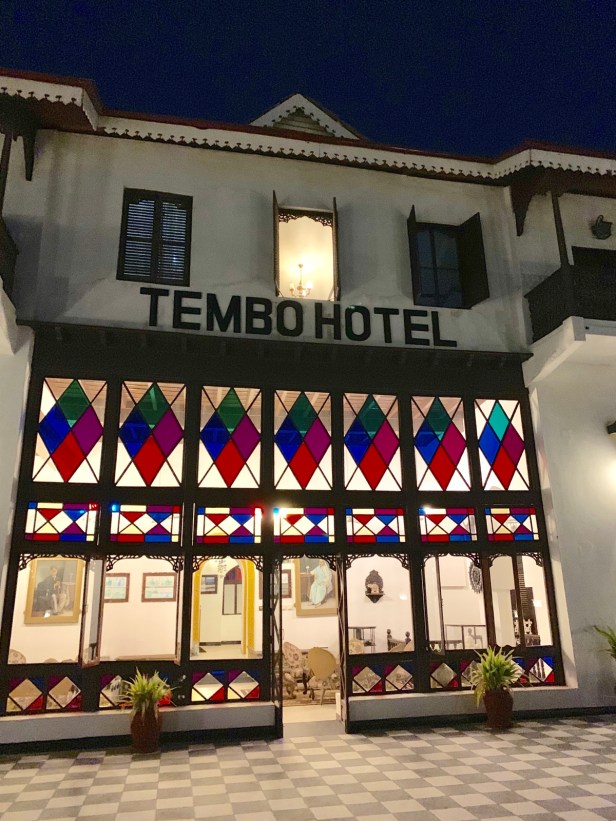
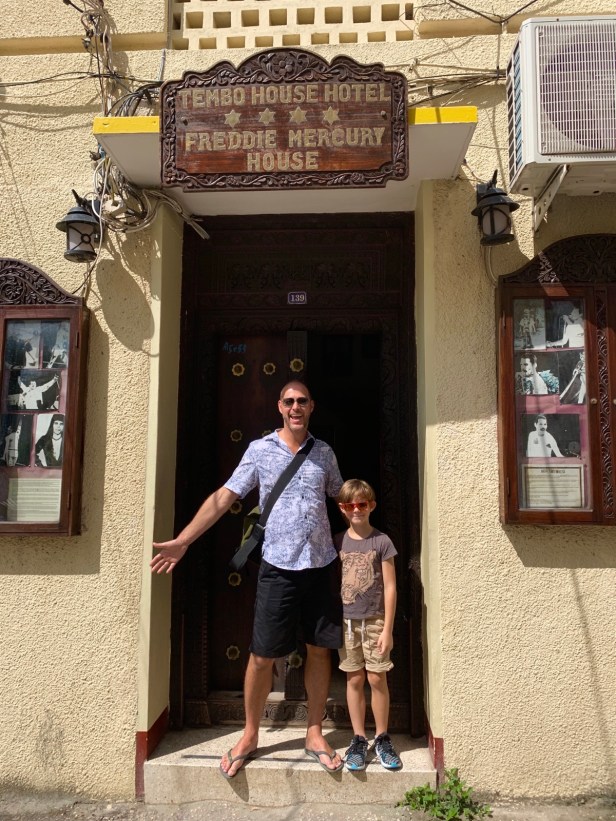
And of course arguably the most touristy of all buildings… the house where Freddie Mercury was born…
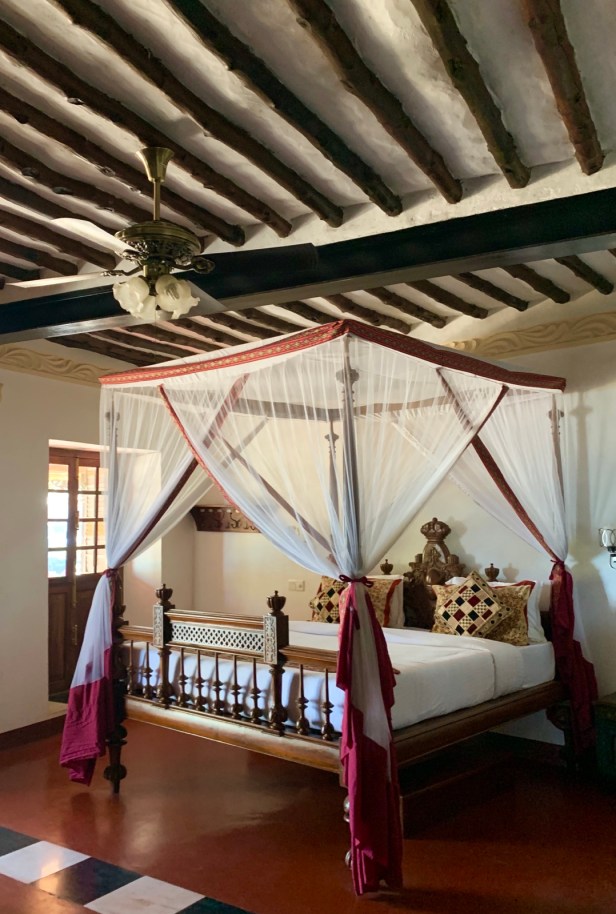
And the insides of those buildings in which we were lucky enough to visit, were just as impressive, crammed to the gills with intricately carved dark wooden period furniture, giant wooden Zanzibari style beds (think four posters but with 2 central rather than 4 corner posts), exquisite soft furnishings, ornate hamman styled bathrooms and the most impressive ceiling structures we’ve ever encountered…
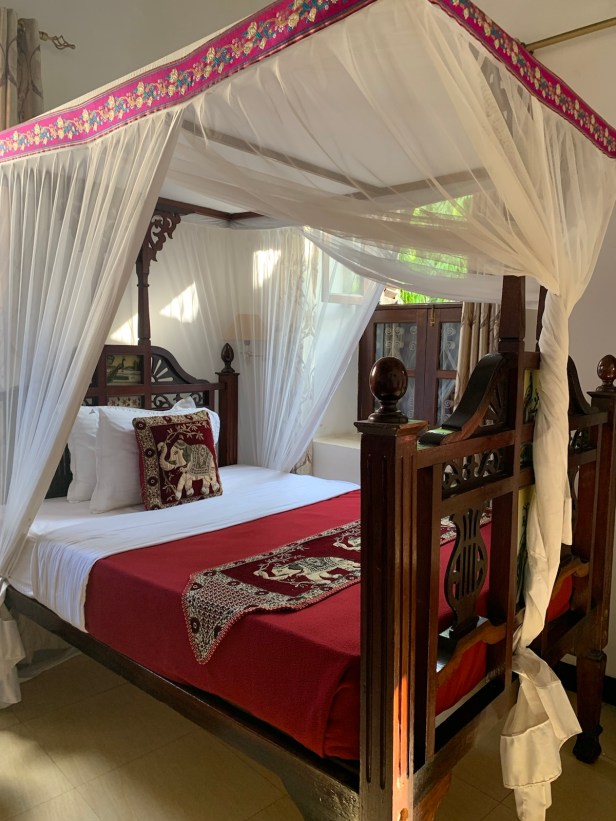
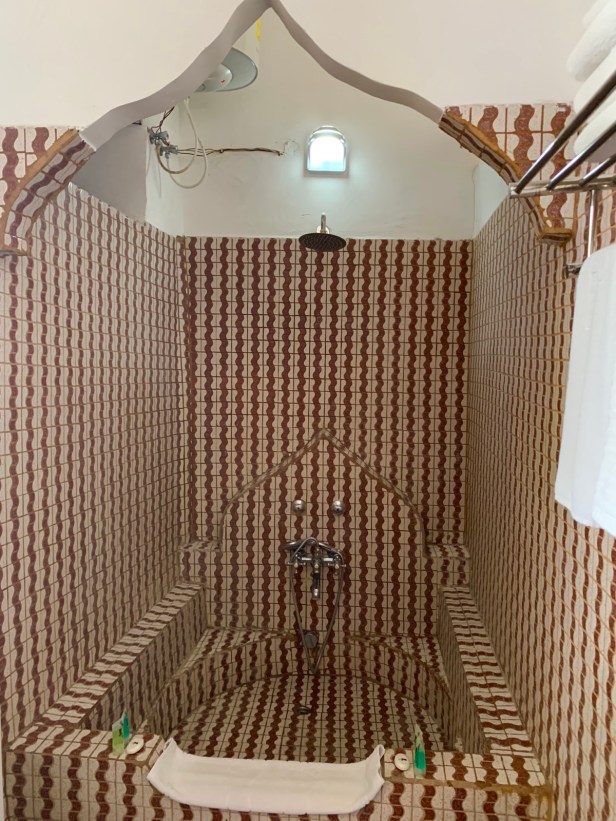
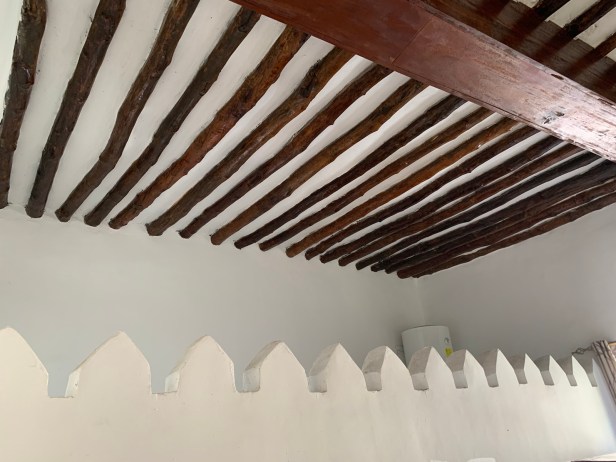
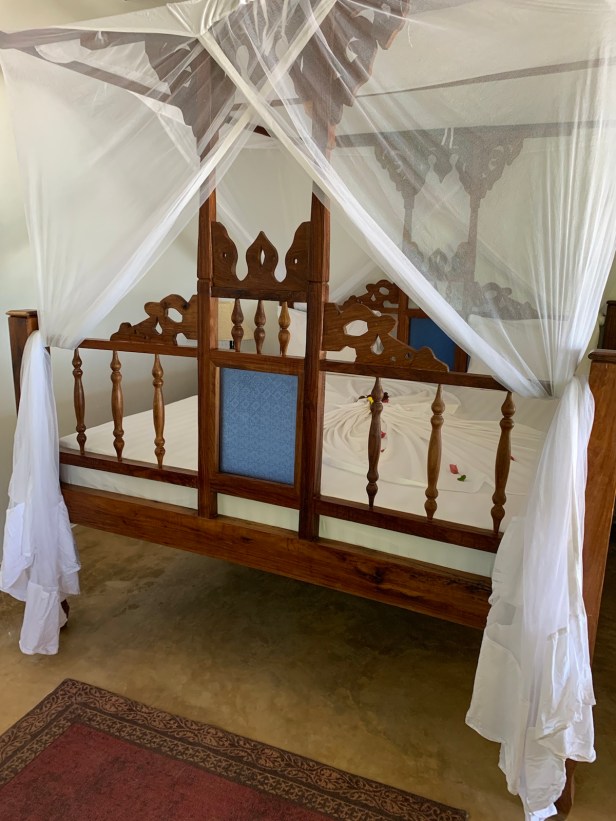
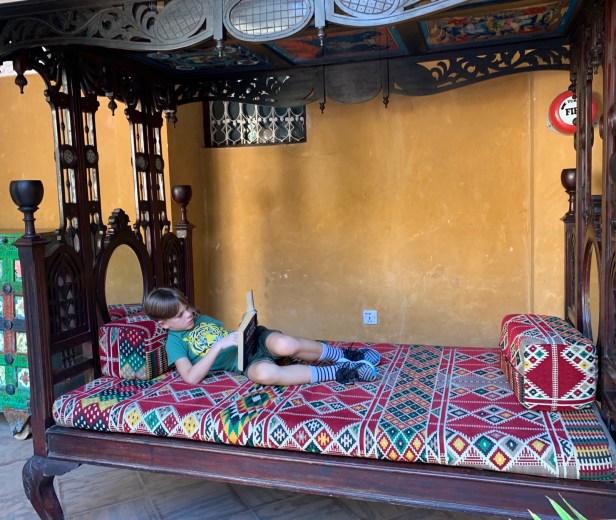
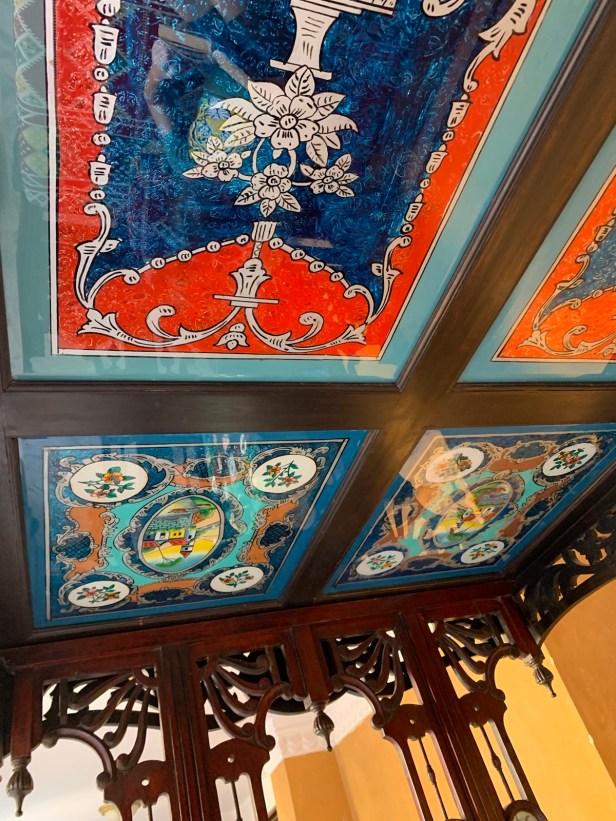
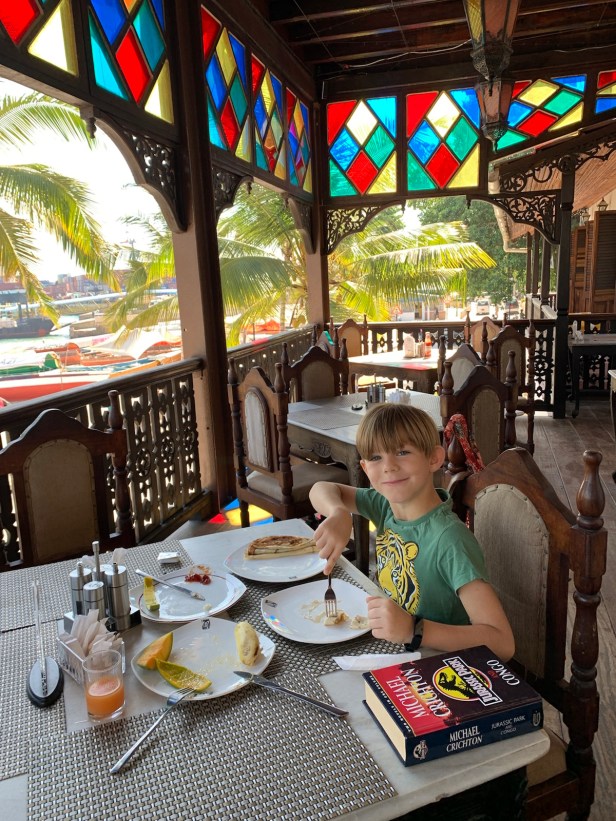
And this is the “Mercury” suite in a majestic seafront hotel, with a bed certainly fit for a queen!
I can only imagine what a gorgeous place this would have been in its heyday. But then of course Zanzibar’s heyday came about directly due to its position as the capital of the Arab slave trade (not to mention the ivory trade), where as many as 40-50,000 each year would be brought by dhow from East Africa and be sold in Stone Town before exported to Persia, Arabia and the Ottoman Empire. Many of these buildings that today we are totally gushing over would have been built with the direct proceeds from that industry. Which doesn’t really make it seem that gorgeous anymore, does it?
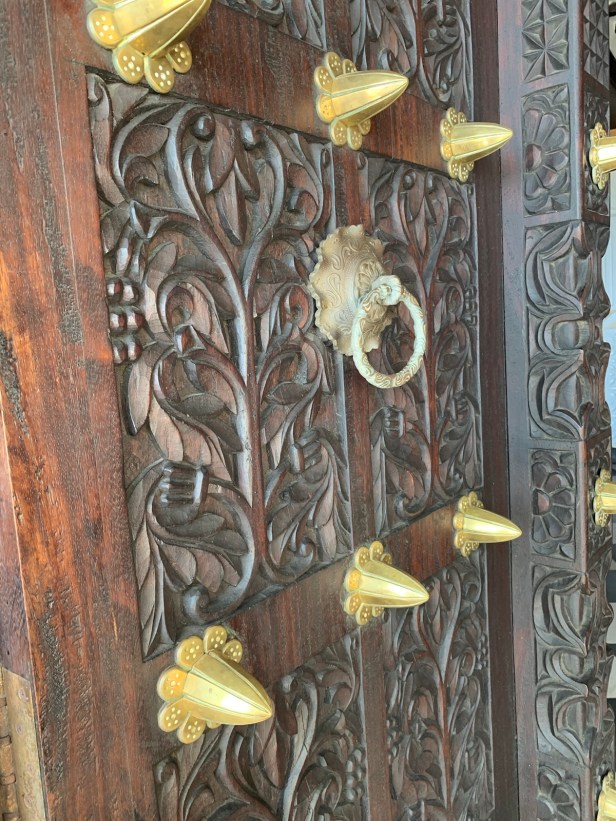
But onto the doors! Zanzibar it seems is famous for its doors, and gorgeous they are indeed. They are rather massive. The largest door in town – the largest in all of East Africa apparently – belongs to a former palace, where the owner desired a door large enough for him to walk through riding his elephant!
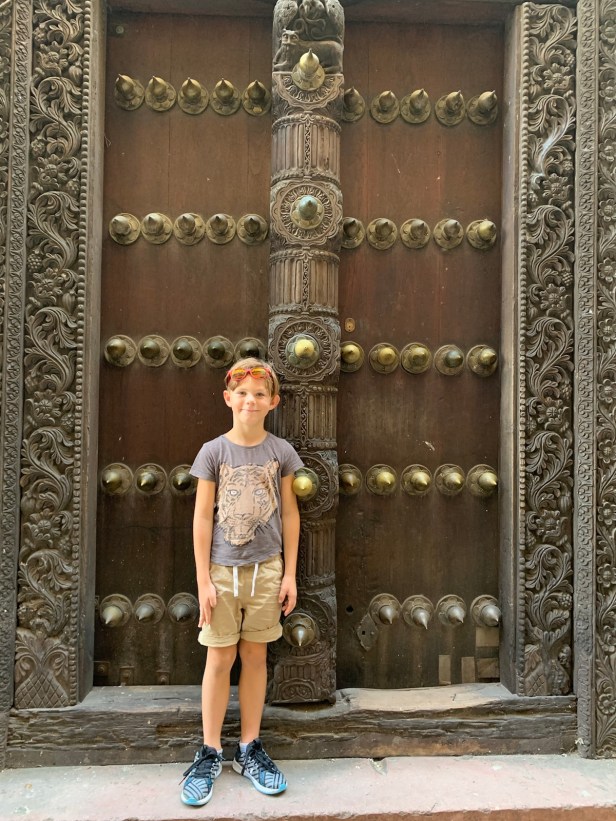
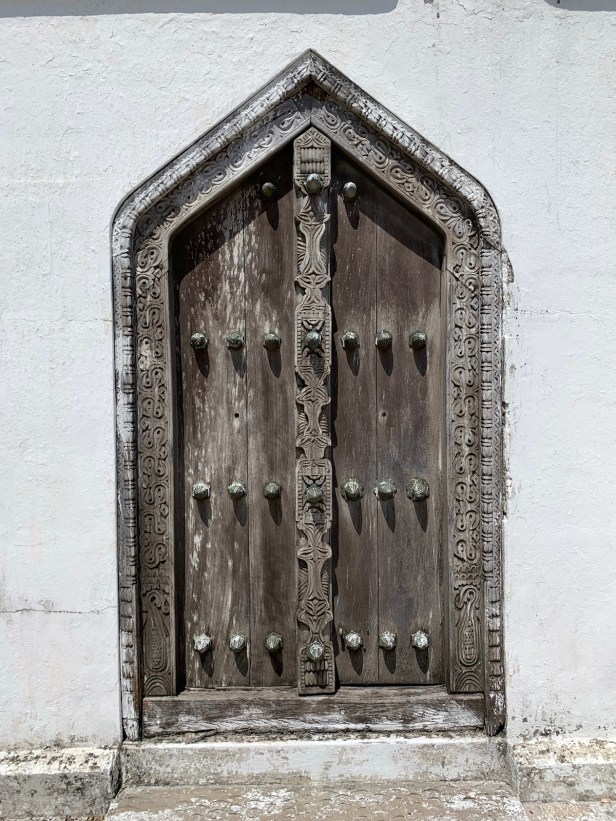
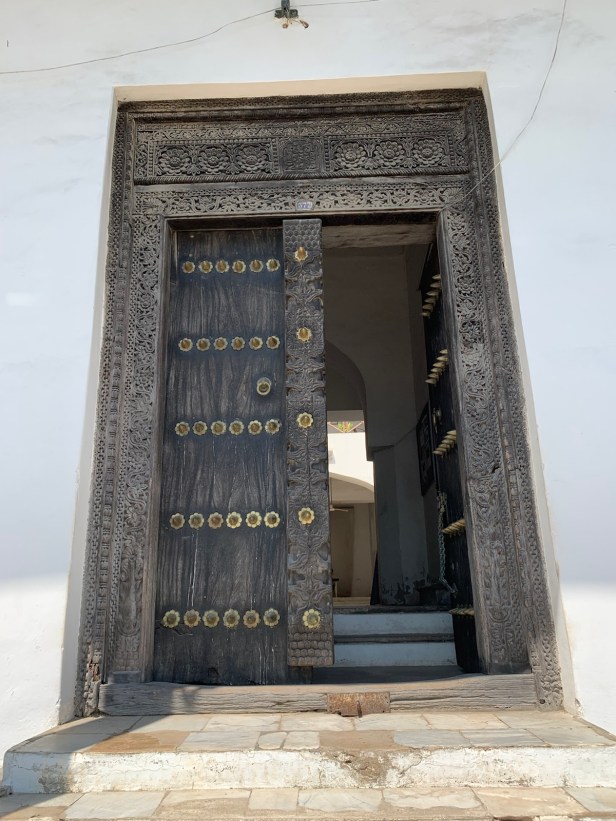
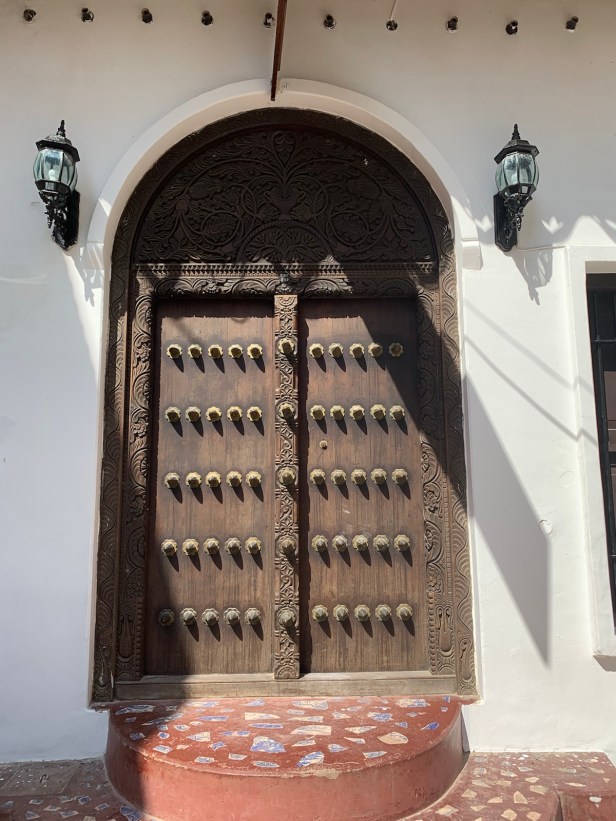
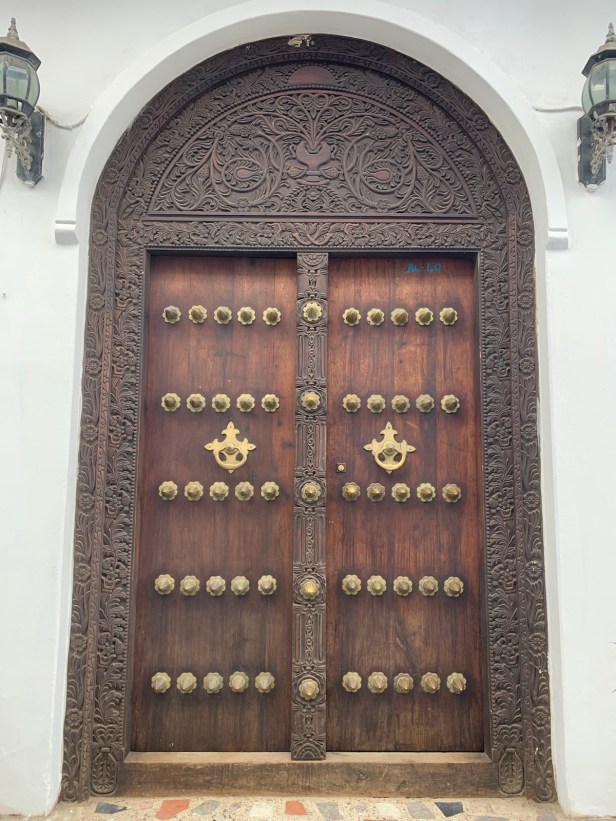
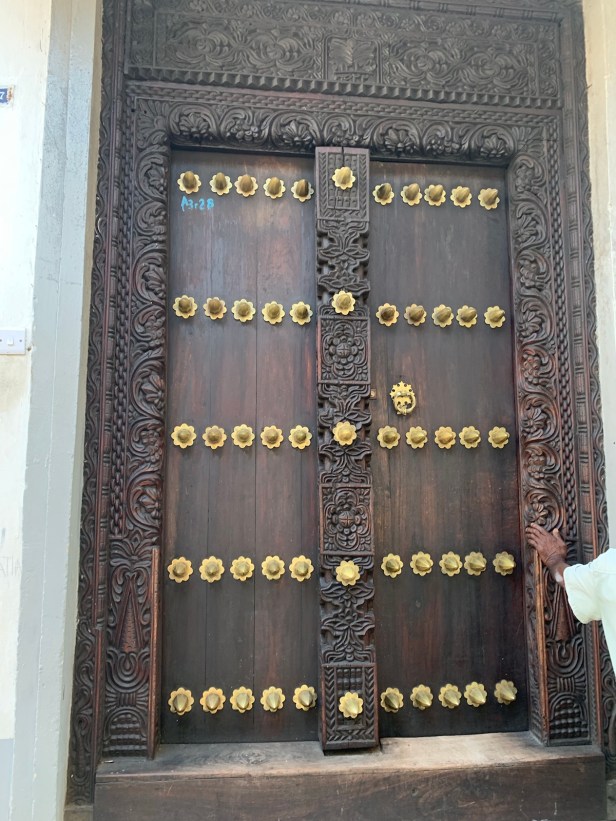
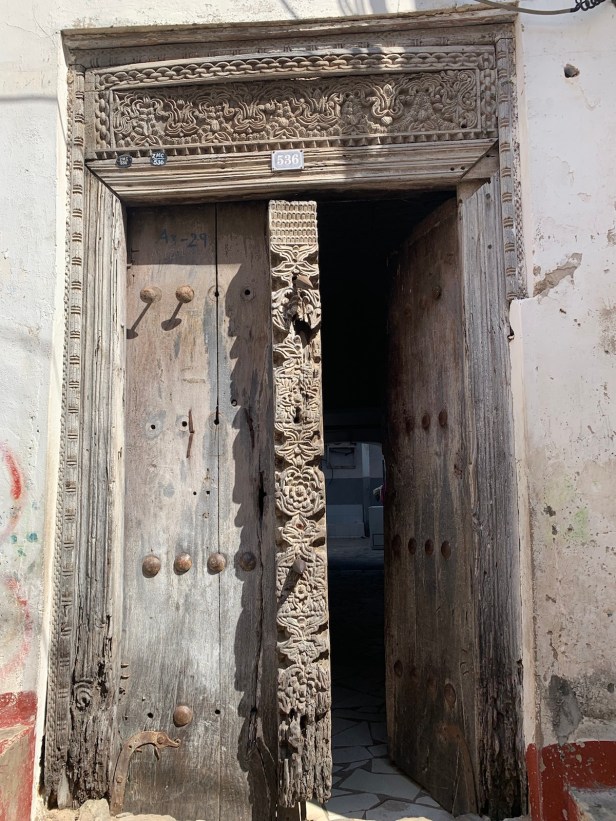
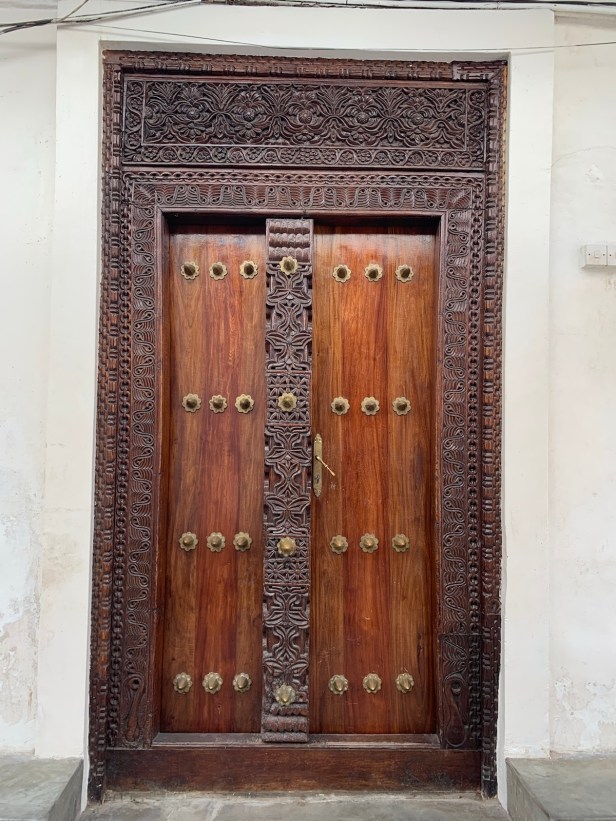
There’s actually a gym behind these ones!
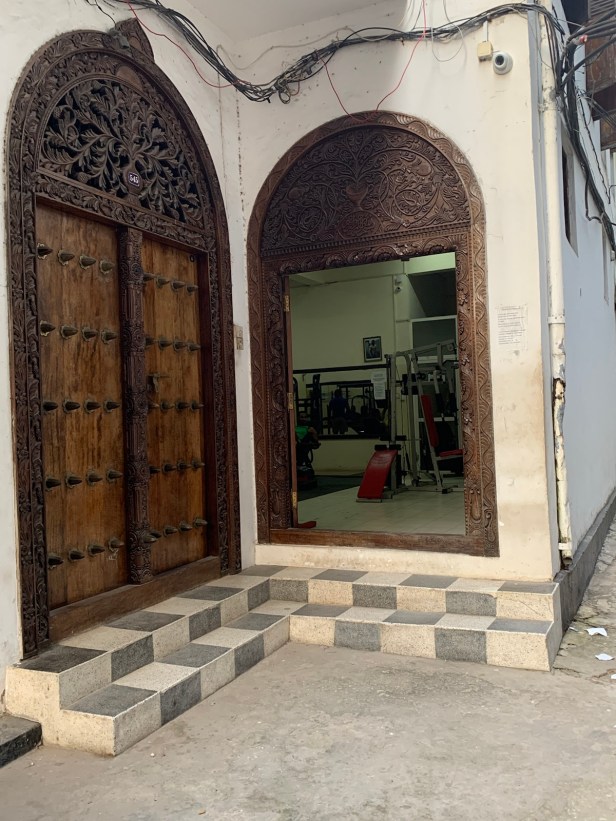
Their designs may be Indian or Arabic in origin, or a fusion of the two, but the most stunning in our opinion are those of Indian Gujarati origin, with the giant brass spikes attached – apparently used in Gujarat to keep marauding elephants at bay! Not that they are any wild elephants on Zanzibar, but quite a statement don’t you think?
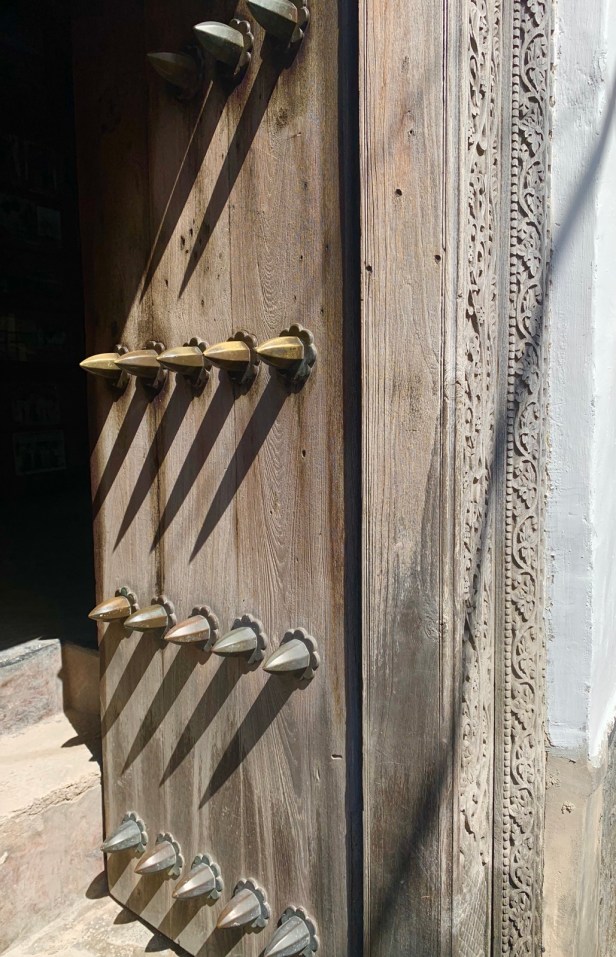
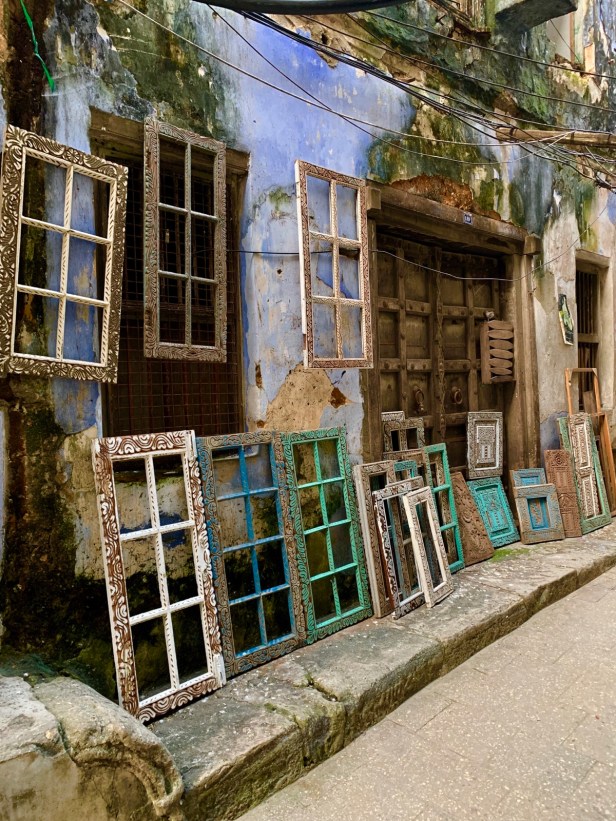
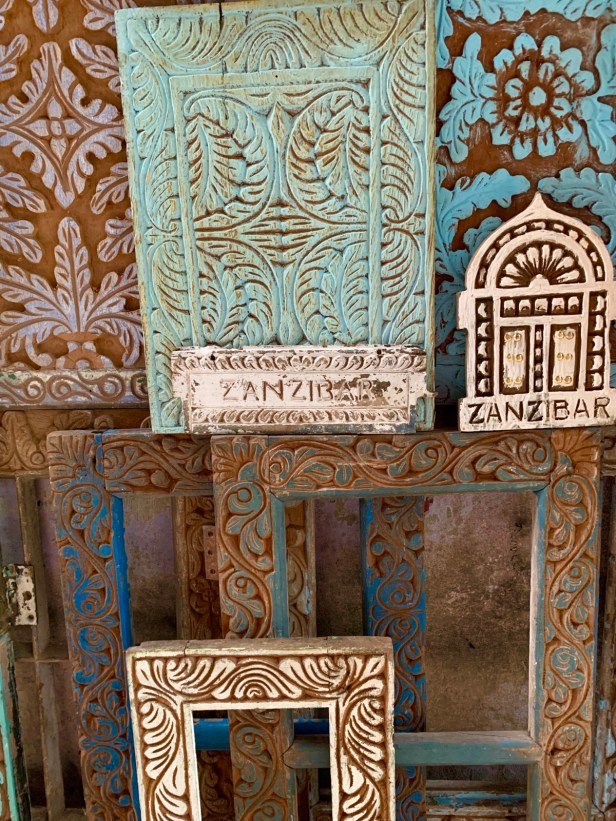
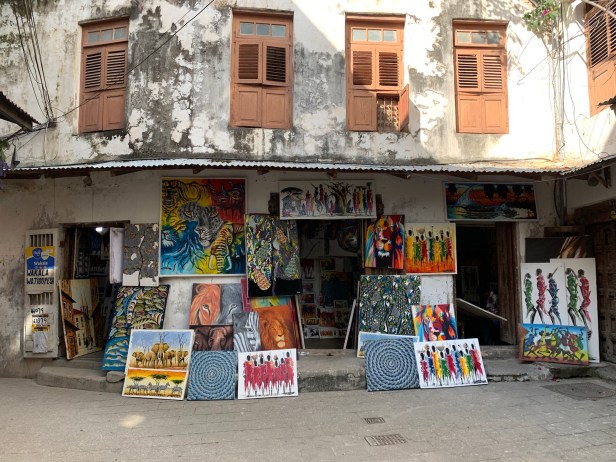
Our wanderings led us past many doors and past many stores selling local handicrafts, paintings and various types of Africana…
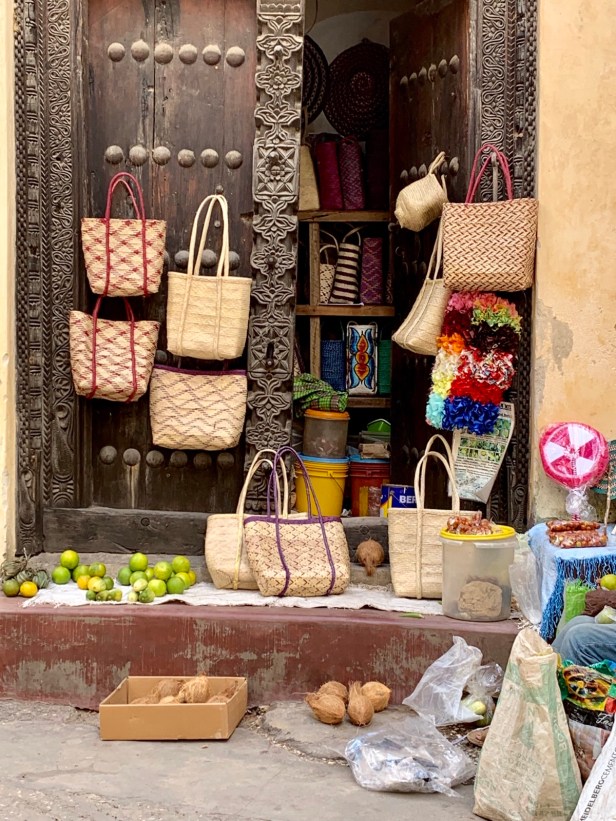
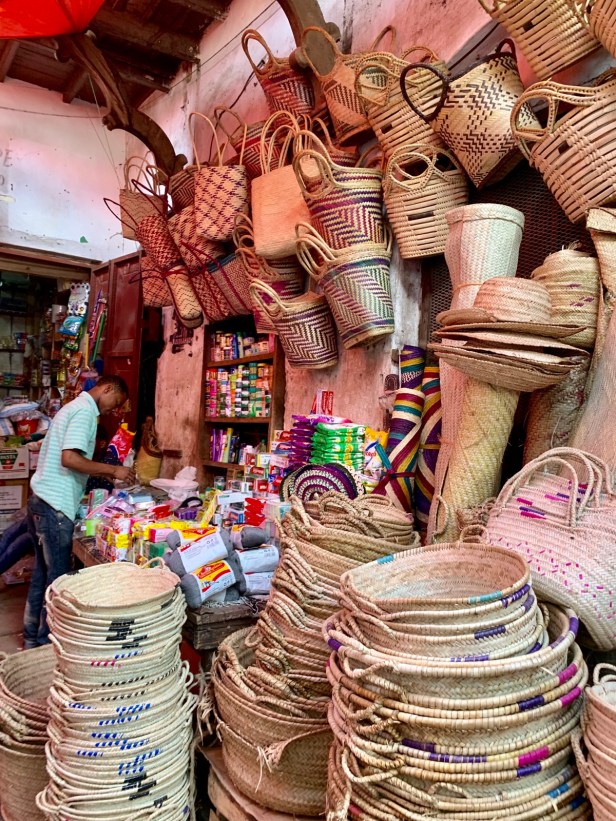
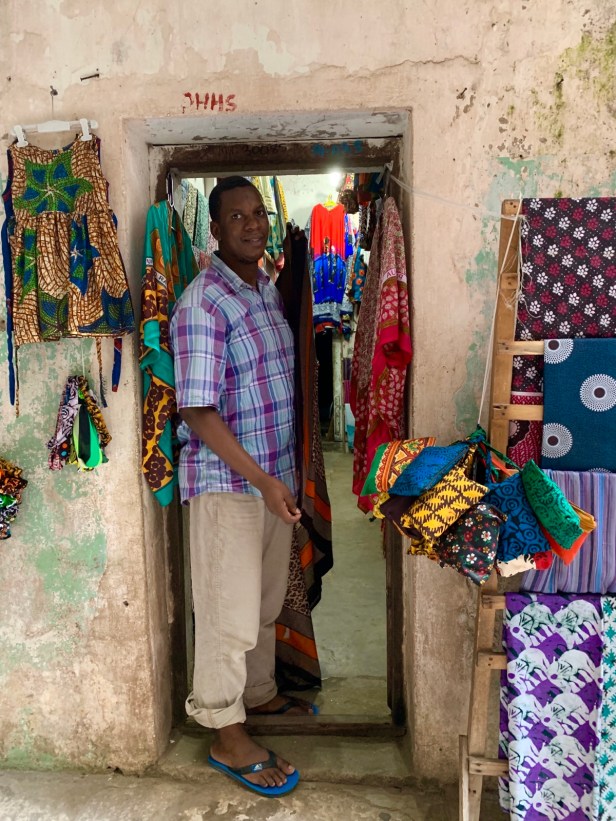
…and fabric!! So many designs, so many colours! And so many types as I learnt. The most typical is the Kanga, which is a giant rectangle of printed cotton, sold in a pair, with one piece worn on the body as a dress or skirt and the other piece fashioned in to a headscarf. And each with its own unique motto in Swahili…
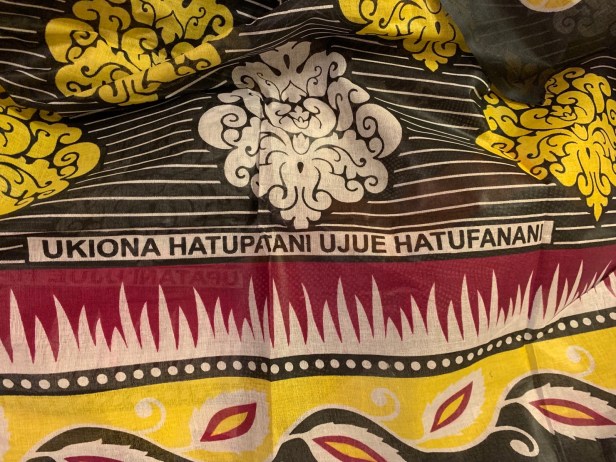
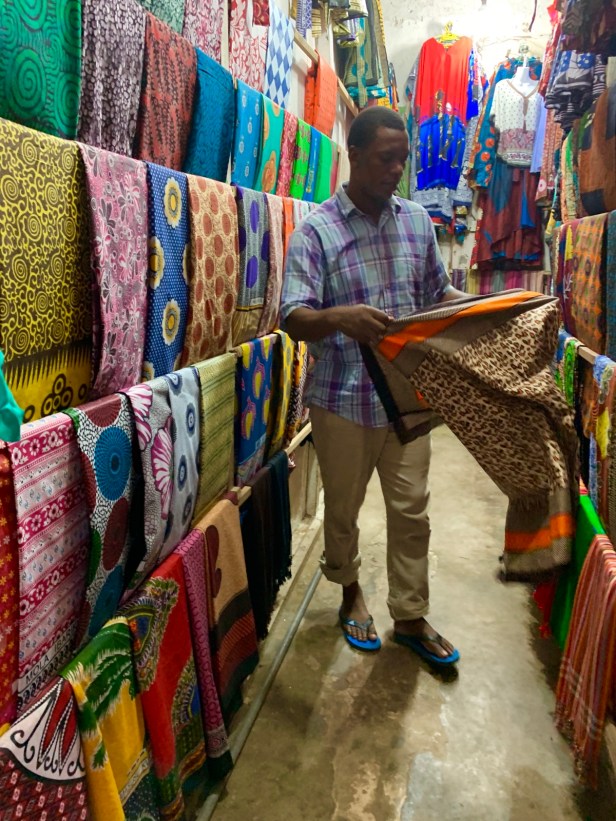
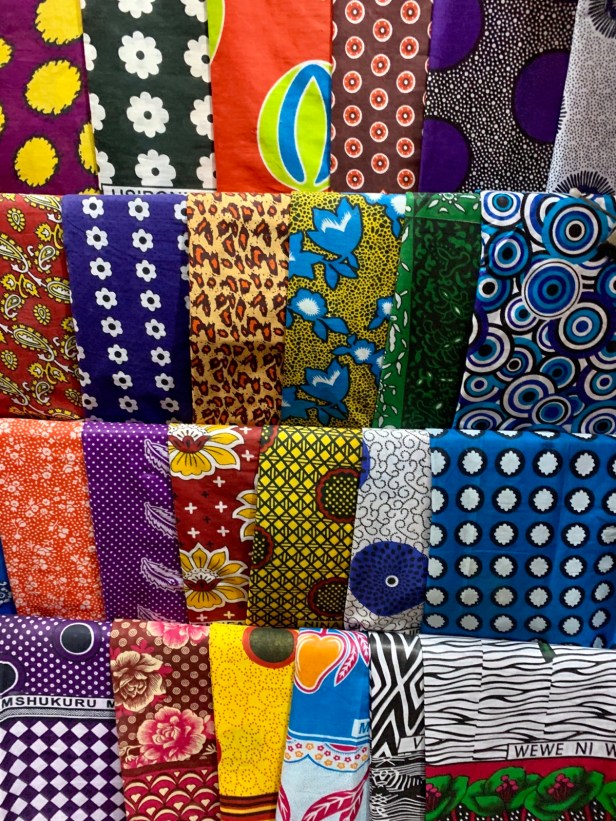
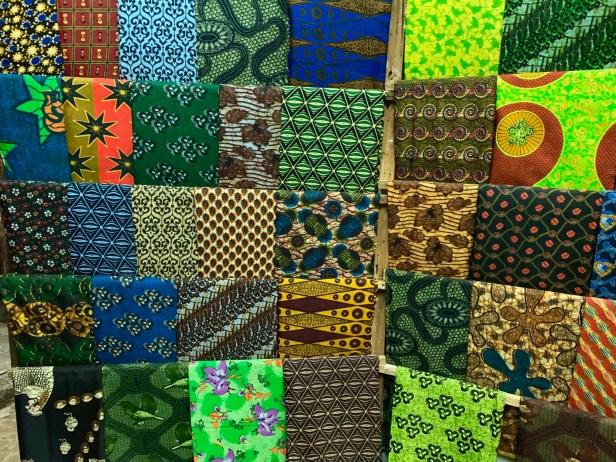
Then I learnt about the Kitenge, similar to the Kanga but heavier and more formal, and then there were beautiful Batiks… oh where to start!!
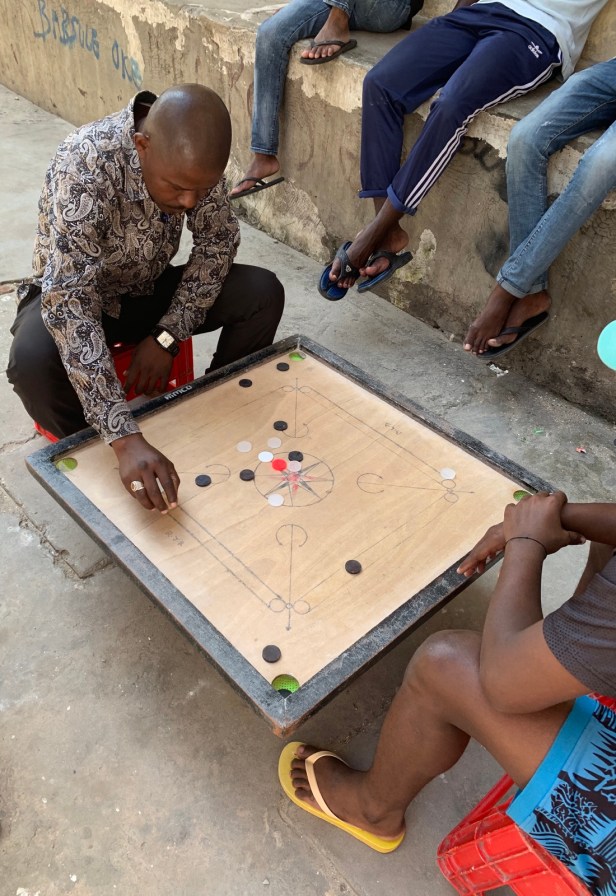
We passed more stalls and alleyways full of art, and the occasional group of men lounging or playing interesting looking games (not so many people out during the day during Ramadan)…
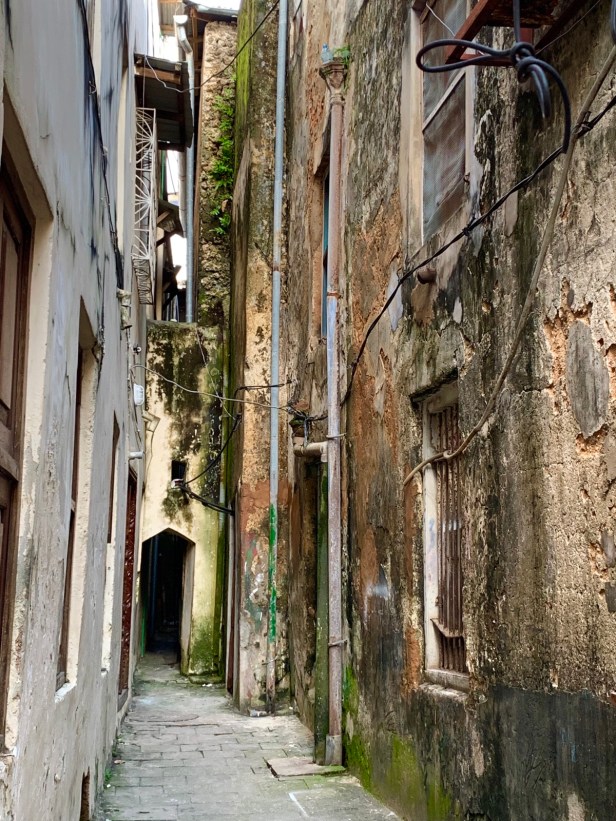
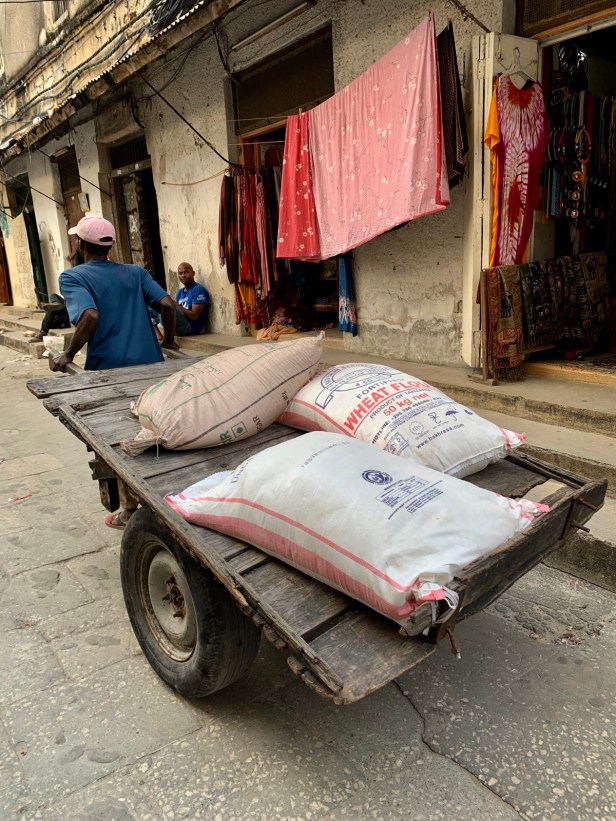
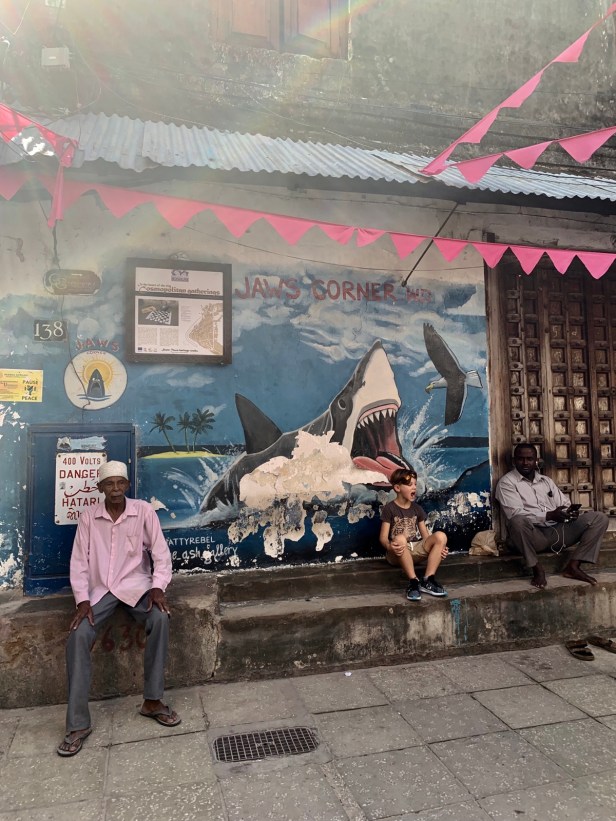
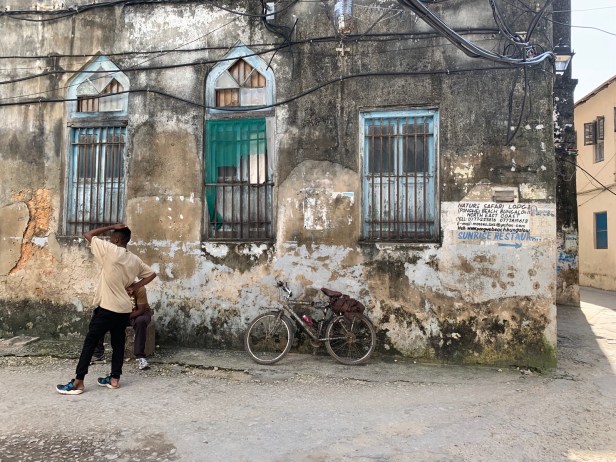
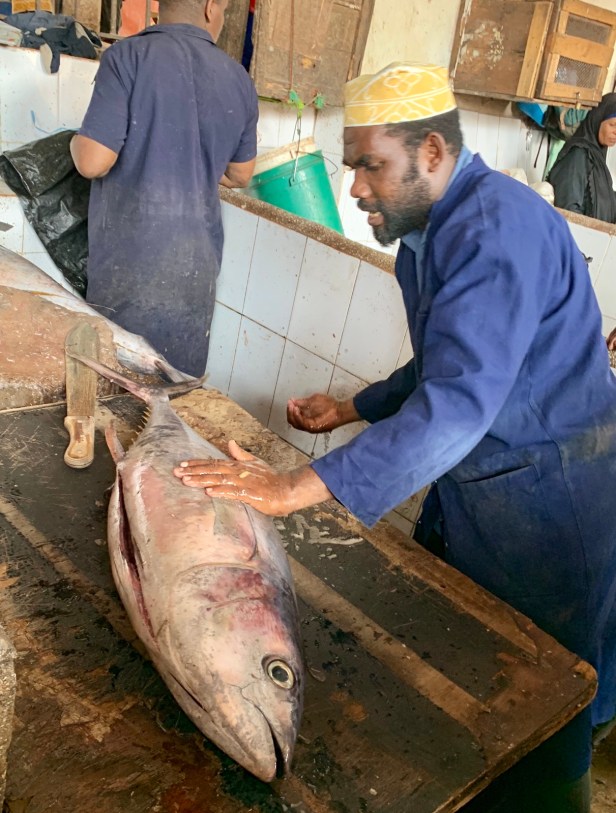
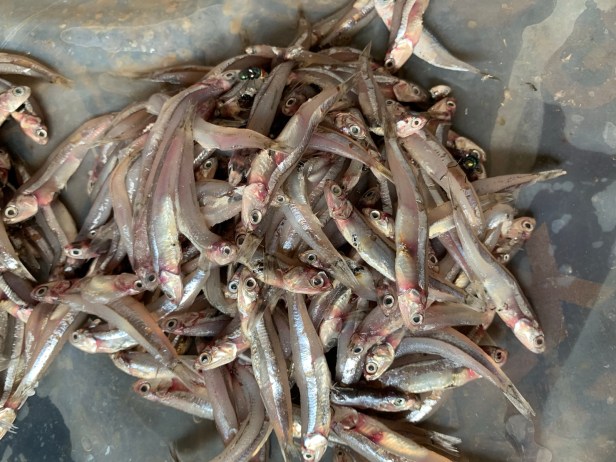
We then happened upon the Fish Market! Now avid readers of the Desert Diaries will know that this family is rather keen on a good fish market, and this one simply did not disappoint!
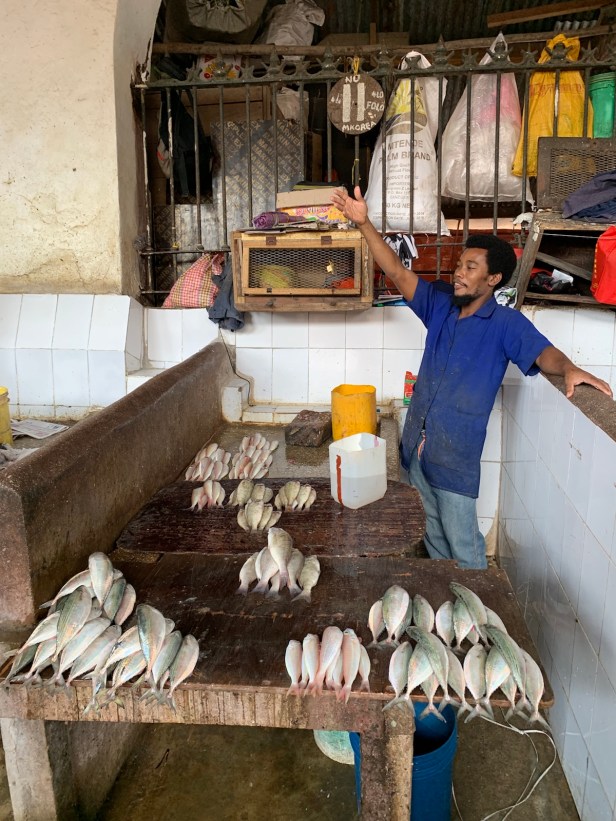
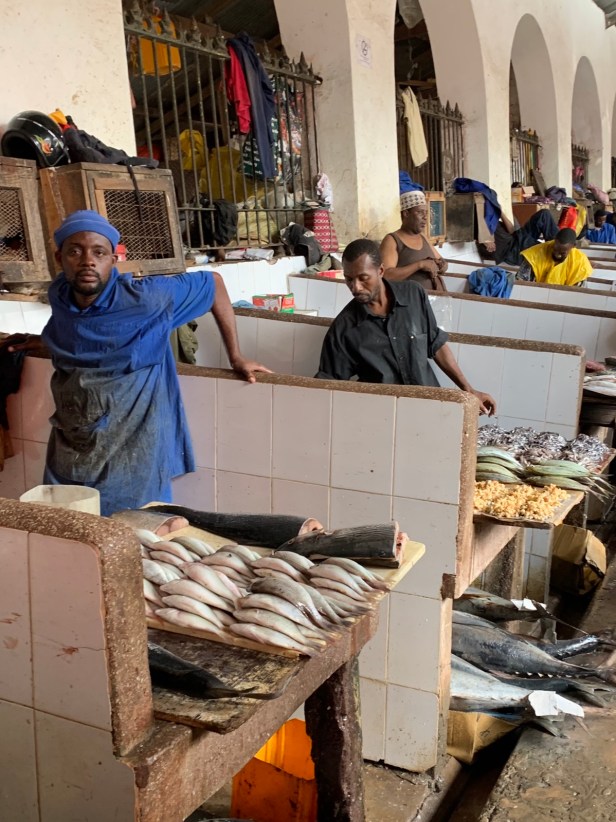
From MASSIVE tuna to the smallest sprats and giant blue crabs, the stallholders were happy to show off their wares. It was a seriously busy, bustling market with shoppers jostling for the best angle to inspect the offerings.
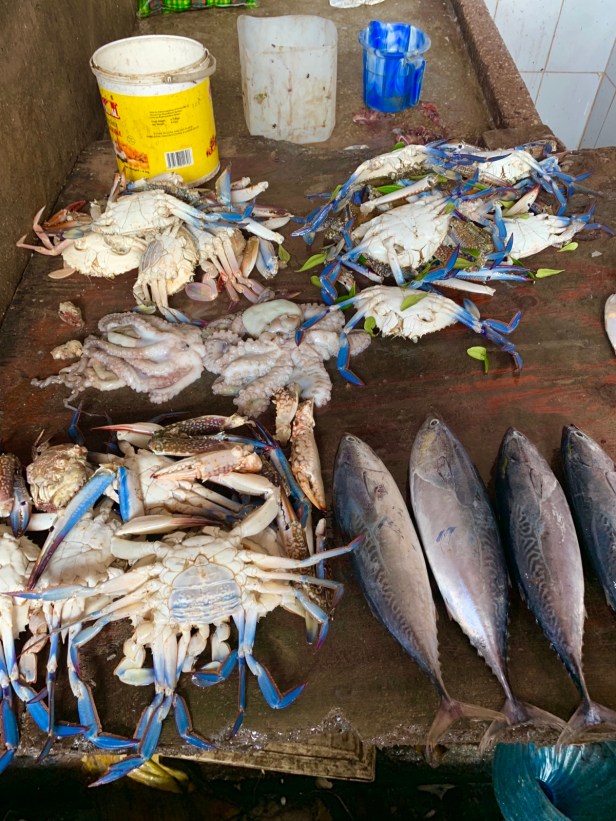
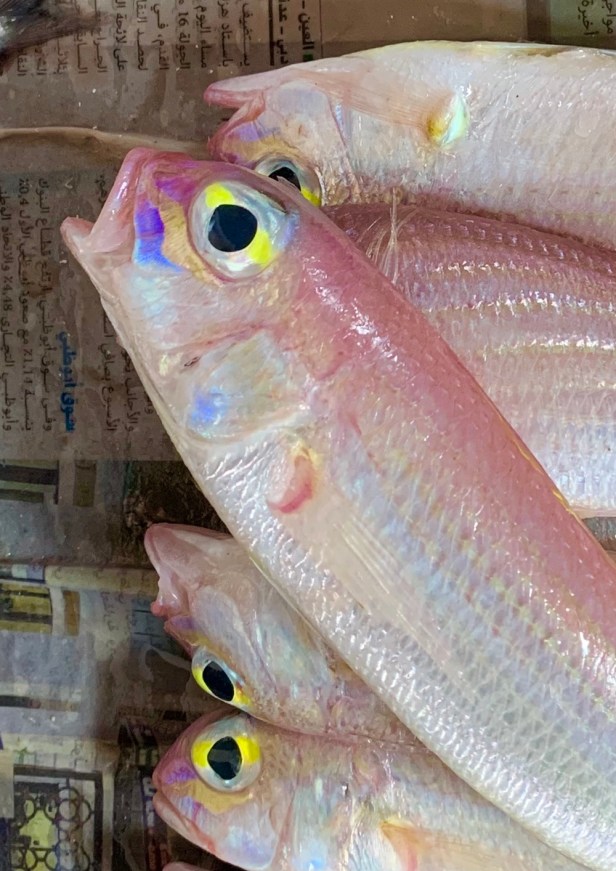
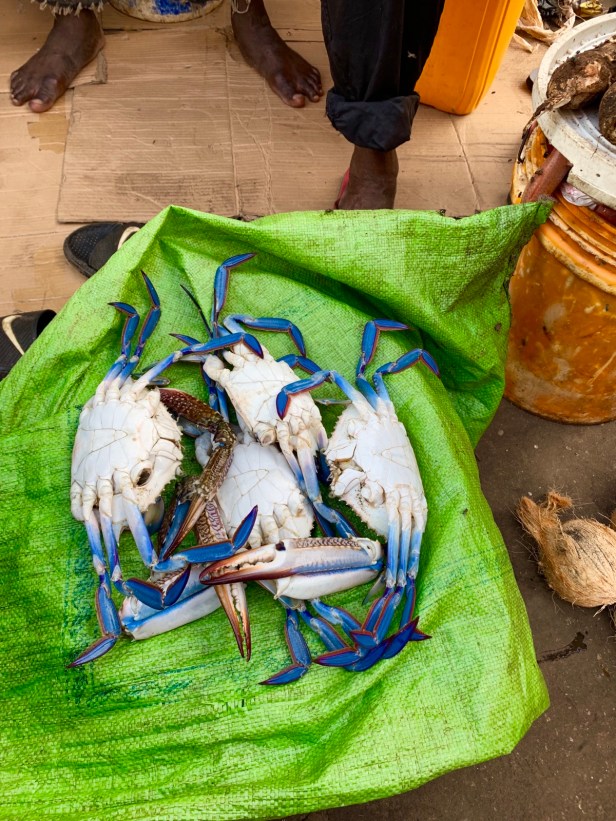
Finally we stumbled out of the darkness and reek of the fish market and into the fruit & vege area, again with proud stallholders setting up their produce into attractive mounds, getting ready for the pre-Iftar rush..
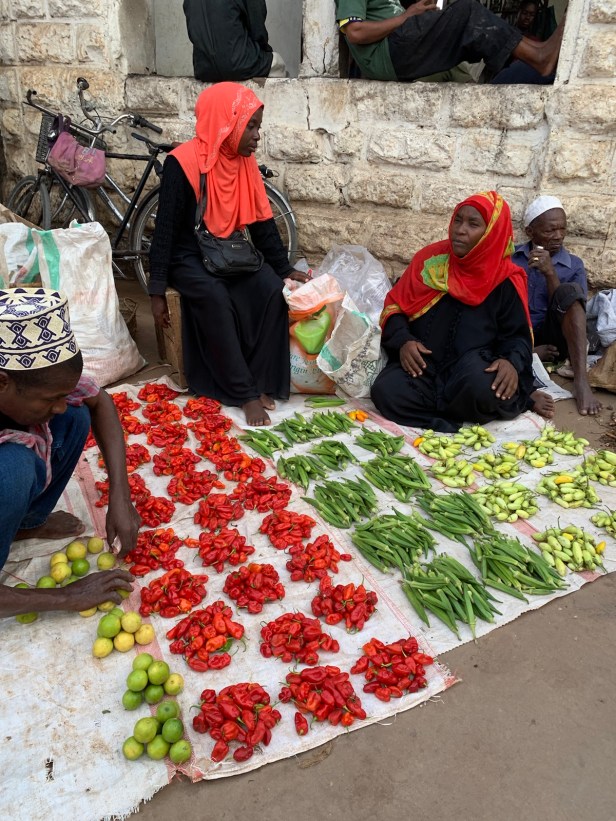
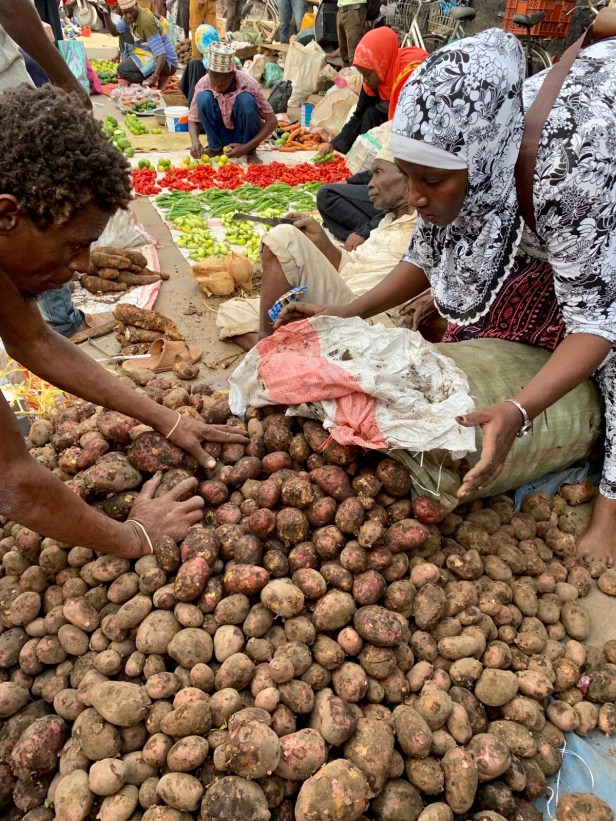
There was so much going on and so much to take in you just didn’t know where to look. And it was really rather humid and hot. Being Ramadan, there weren’t so many options open for thirsty tourists, but we managed to happen across a beautiful colonial style hotel, which after several flights of exhausting refurbished stairs brought us to a rooftop terrace with glorious views out over the ramshackle town and out to sea…
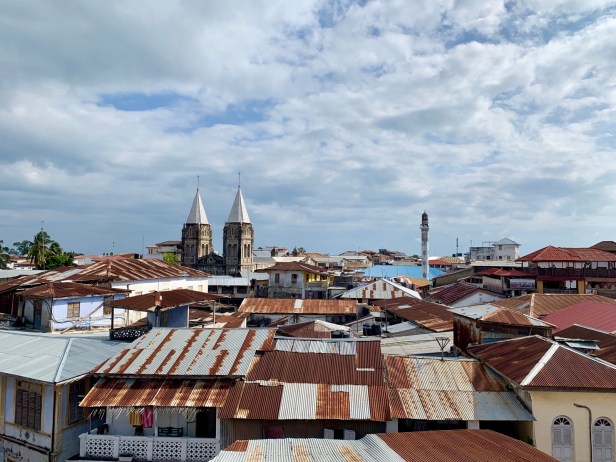
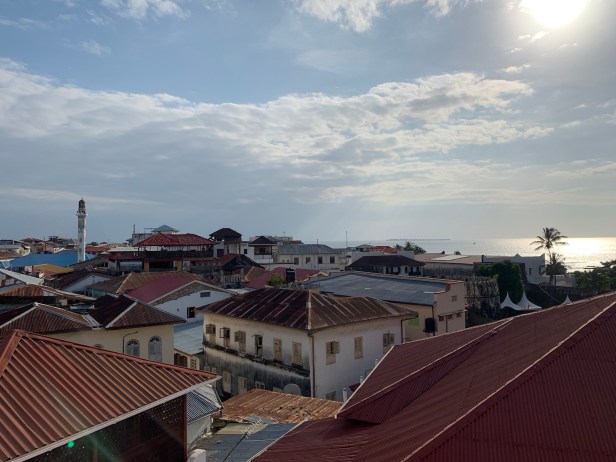
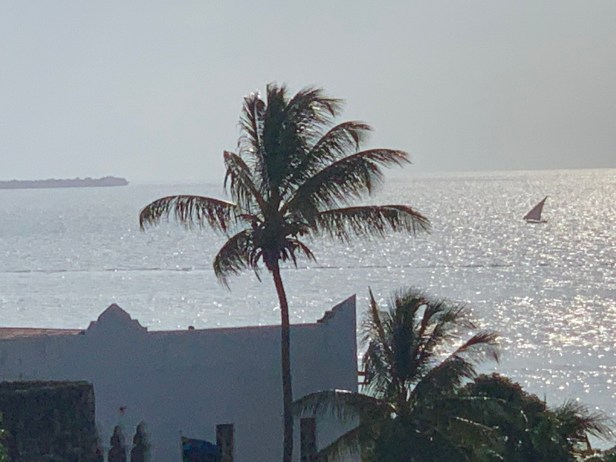
..and also a couple of cold beers : )
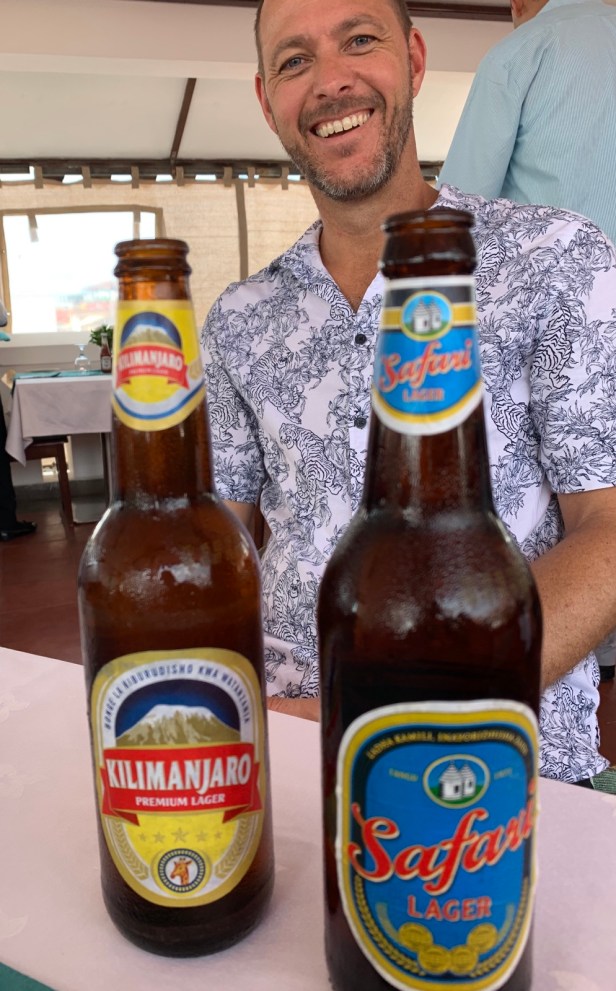
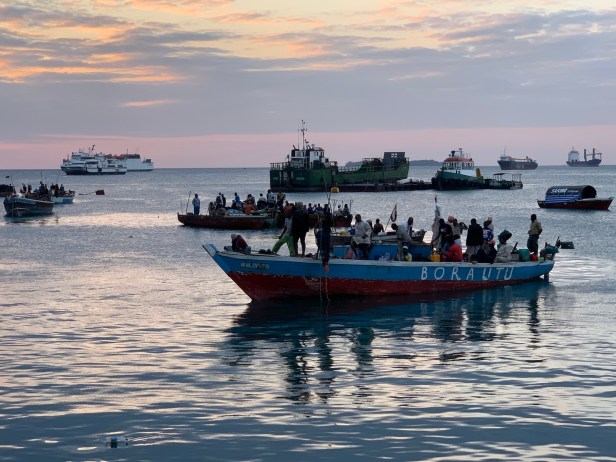
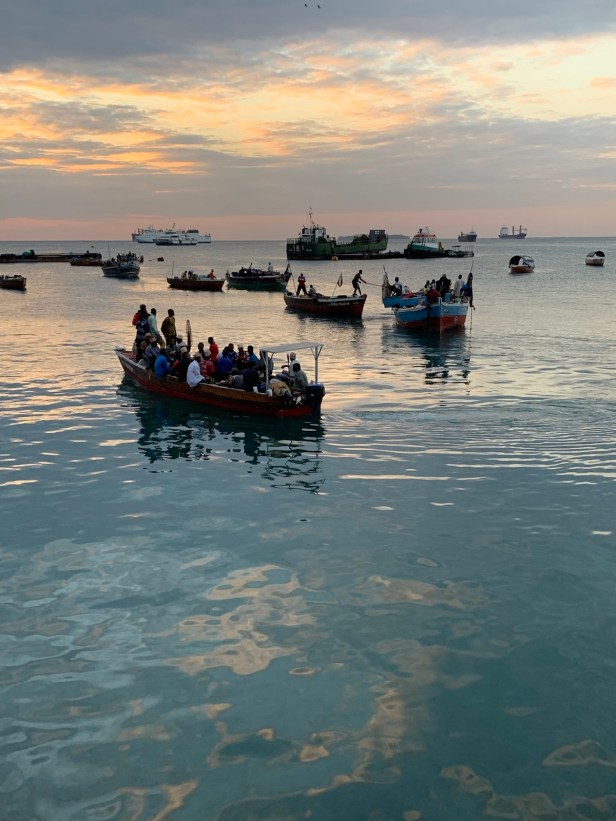
After a restorative beverage we ambled back out of the dark maze that is Stone Town to the waterfront ramparts to watch the most glorious sunset over the Zanzibar Channel. It was surprisingly busy out on the water, with dozens of craft of all shapes and sizes, many looking seriously overloaded with what we assumed could perhaps be crew, out for an evening’s fishing trip. It definitely made for an interesting spectacle.
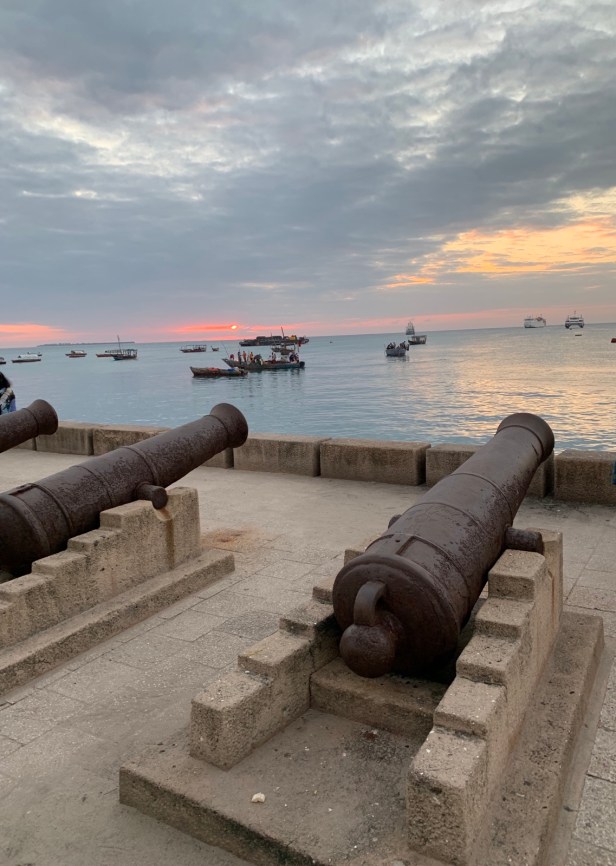
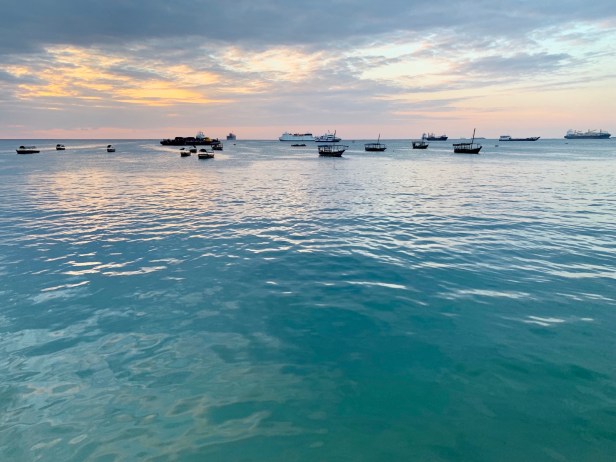
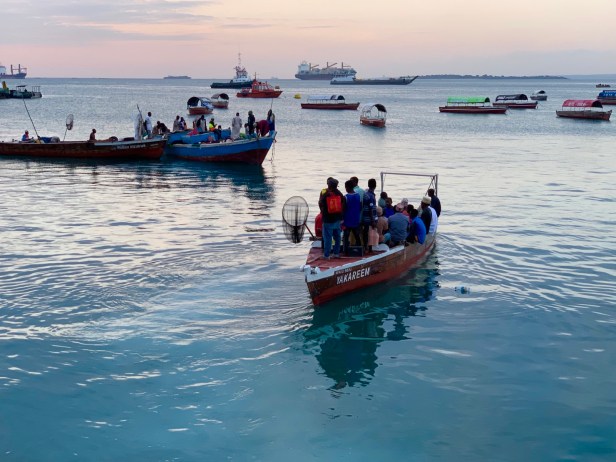
As the remaining streaks of the golden sun sank into the water it was time to turn our attention to our tummies. Time to venture towards the foodstalls lining the sea front park and try the famous ‘Zanzibari Pizza’! Now call it what you will, but this doesn’t look like any pizza I’ve ever encountered before!
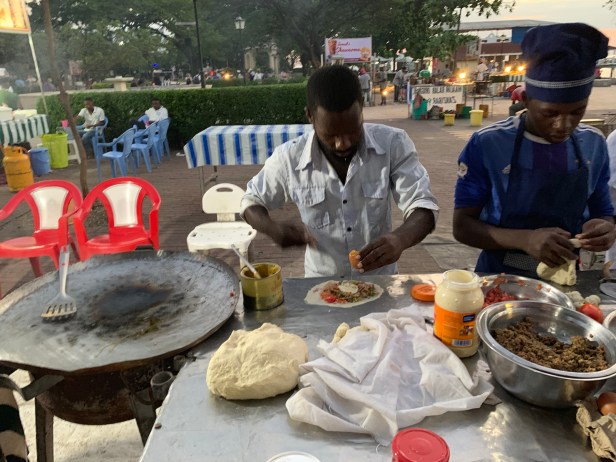
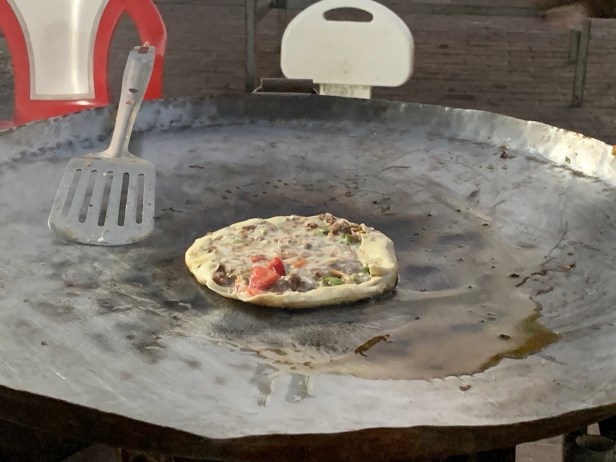
Resembling more of a filled savoury crepe if anything, and cooked on a giant gas fired pan. Whatever it was, it was quite delicious. And salty enough to warrant a trip to the famous ‘Mercury’s Bar’ for an evening chillax – aka a Kilimanjaro Beer and a gas light game of cards!
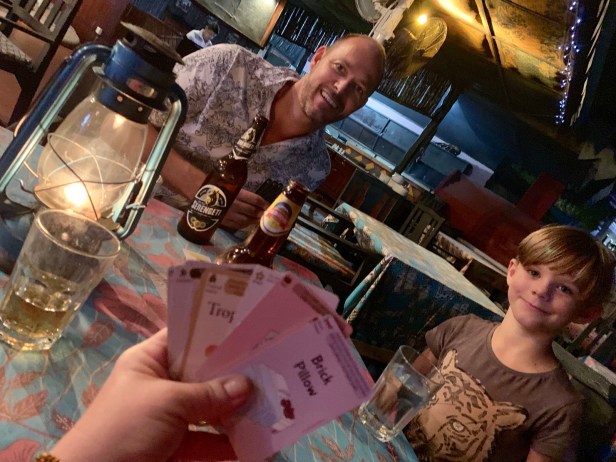
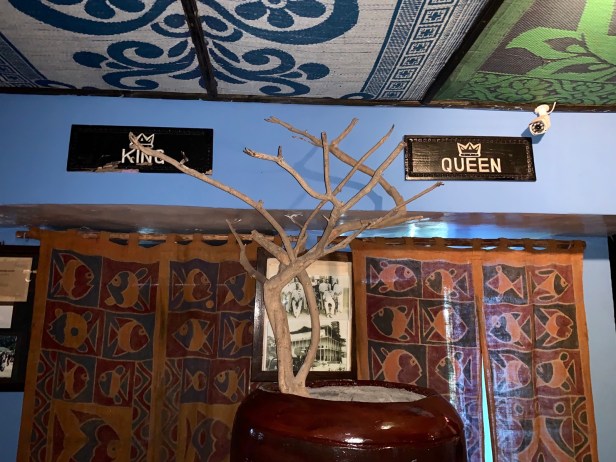
We thought any bar called ‘Mercury’s’ in this part of the world was going to ridiculously cheesy, but I must say, with its rustic wooden deck perched right up on the sand, the rickety tables, old fashioned gas lamps and jolly good cold local beer it was actually quite a treat. As were the aptly named bathrooms…
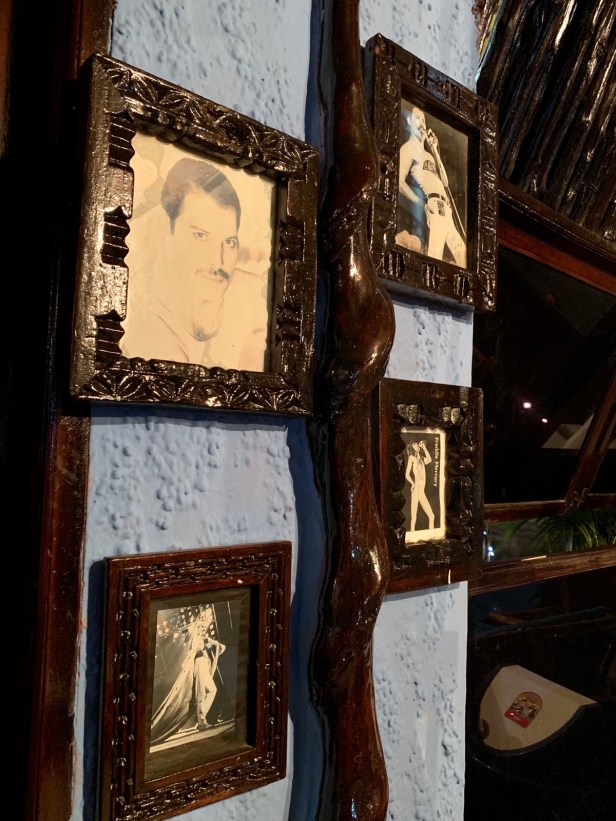
And yes, while there was the ubiquitous photographic homage to the town’s most famous son, it must be said that we did actually really enjoy it when the classic Queen hits eventually were played.
Our time in Stone Town was planned to simply as a bookend for our main Zanzibari destination – the beach – but I’ve no doubt that the allure and mystique of this culturally and historically rich dot on the map will most definitely draw us back…
 The Desert Diaries Part 3