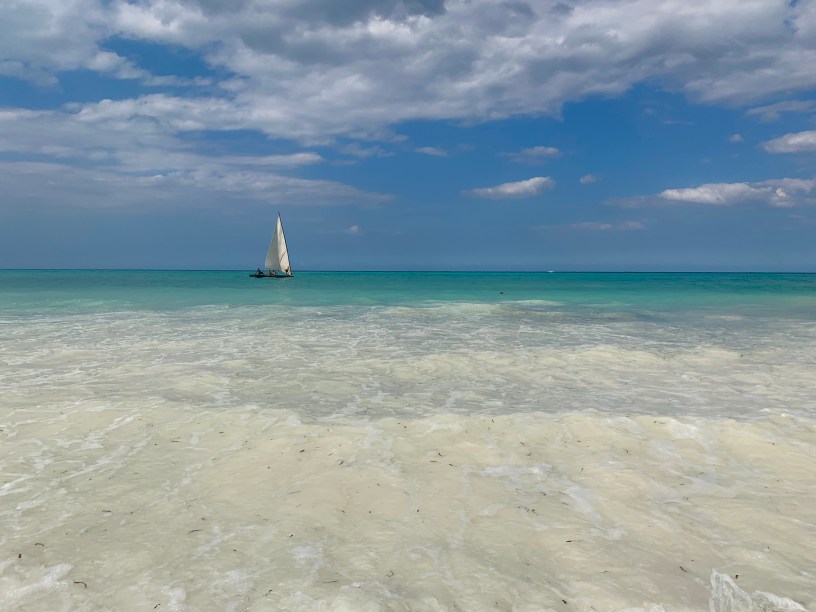
Although Stone Town certainly oozed an undeniable magic of it’s own, it was the promise of powder white sand and a blue, blue ocean which had drawn us to Zanzibar. So after a day dosing up on culture it was time to head east to our main destination… Matemwe. Billed as an idyllic beach with some of the finest white sand on Zanzibar… it’s fair to say the anticipation was building!
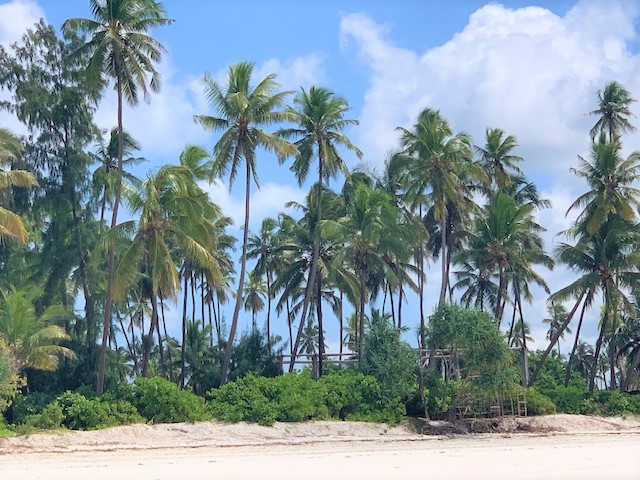
And disappoint it did not! From the first view of the ocean we were in awe!
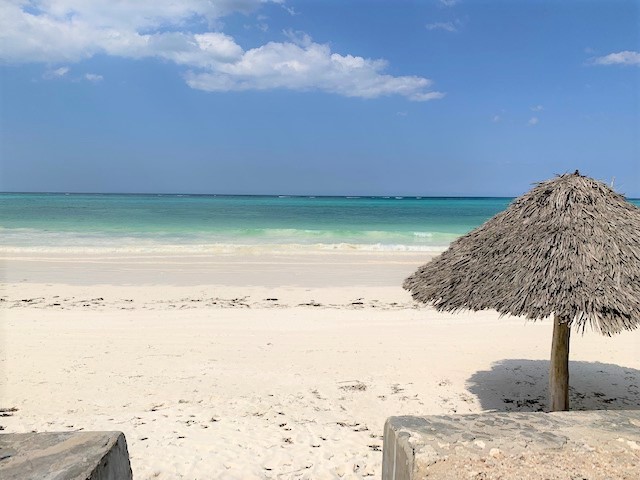
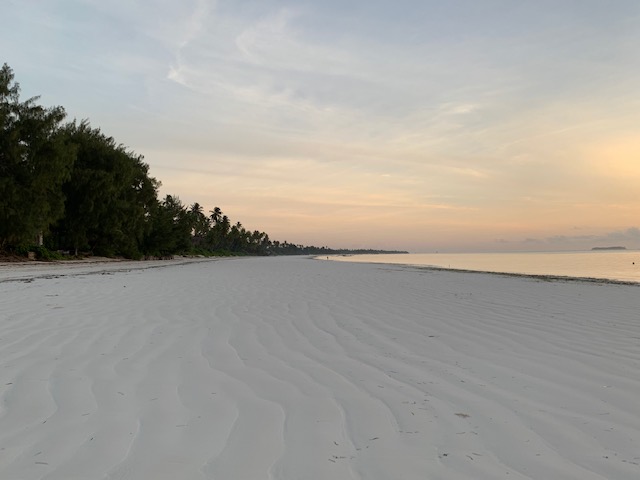
Palm trees swaying over the most incredible white sand we had ever seen and an ocean so blue you immediately had to drop everything and run straight in. Which was exactly what we did!
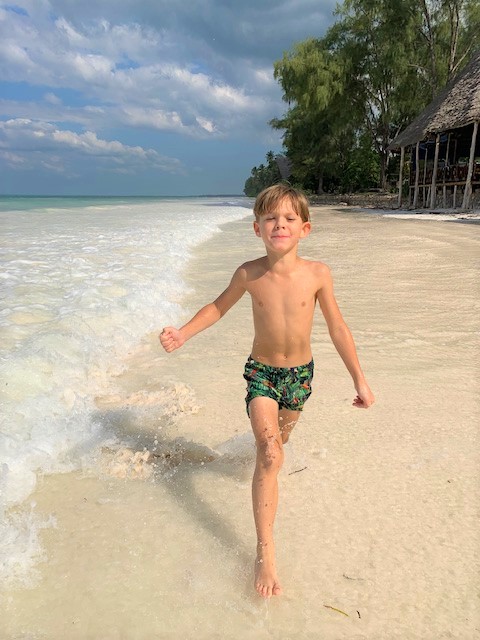
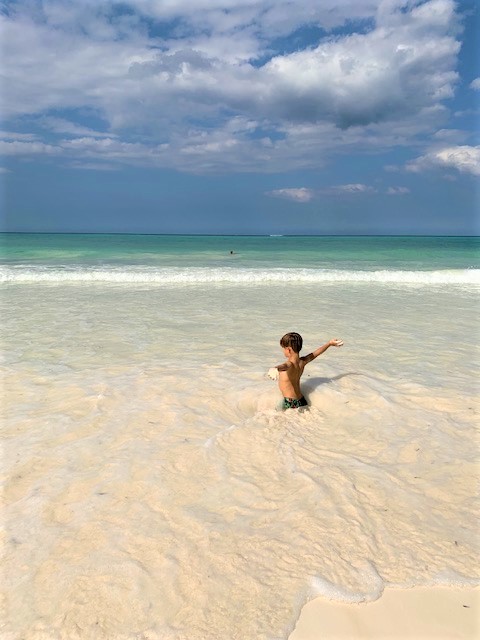
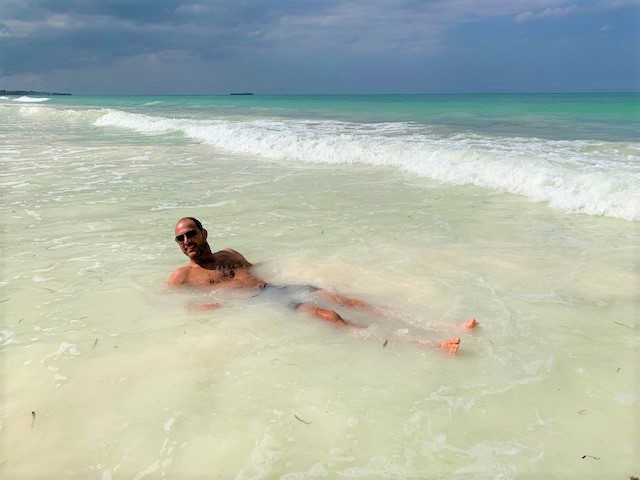
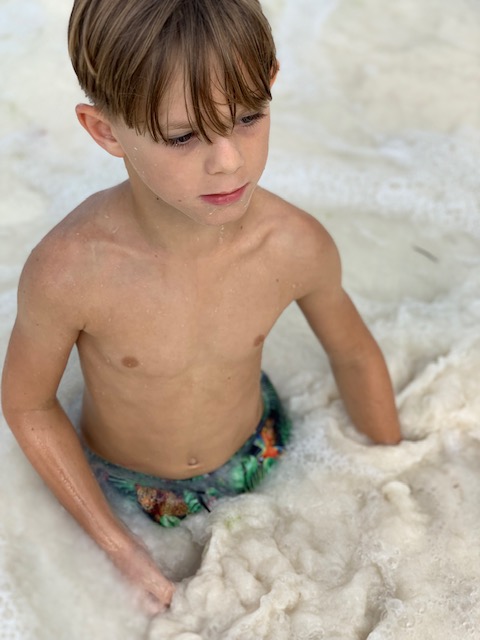
And when I say white, it was white like icing sugar… and so super fine like nothing we’ve ever seen…
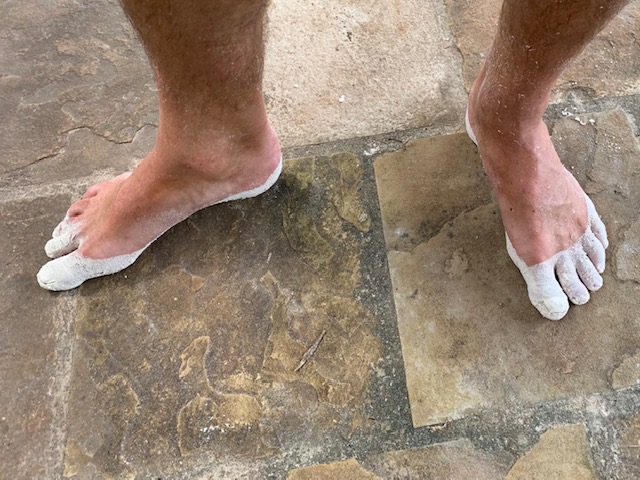
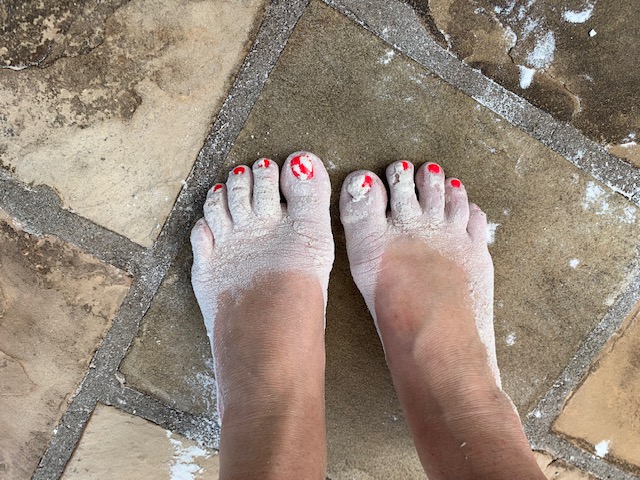
Which meant that there was really only one thing to do….
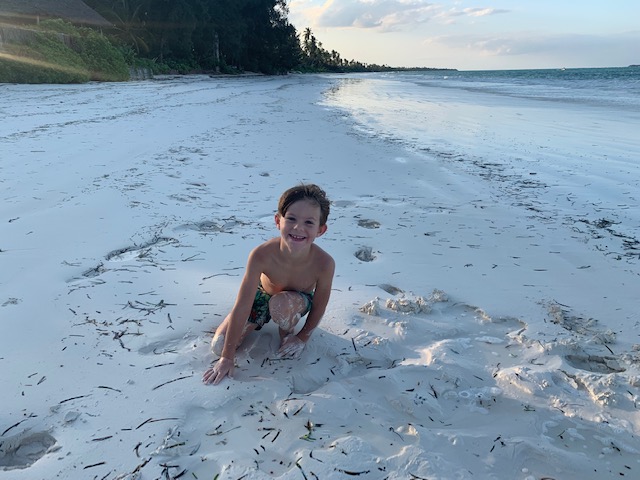
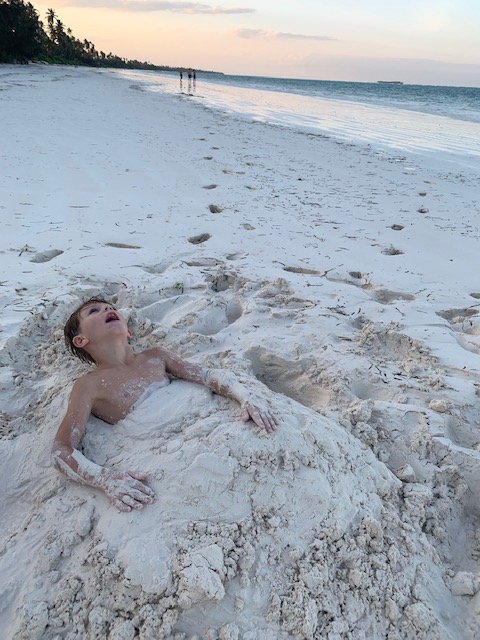
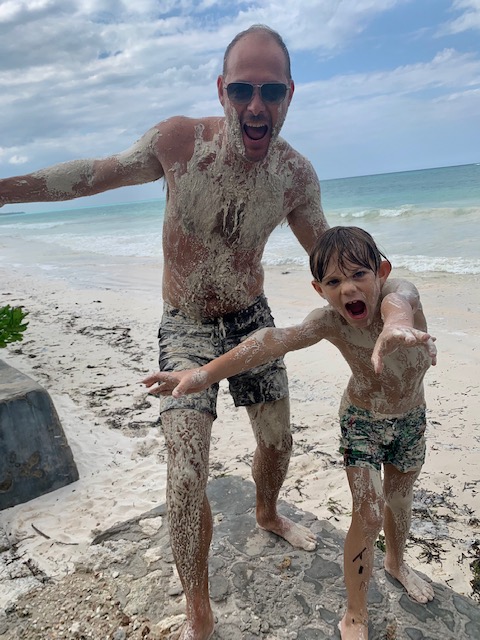
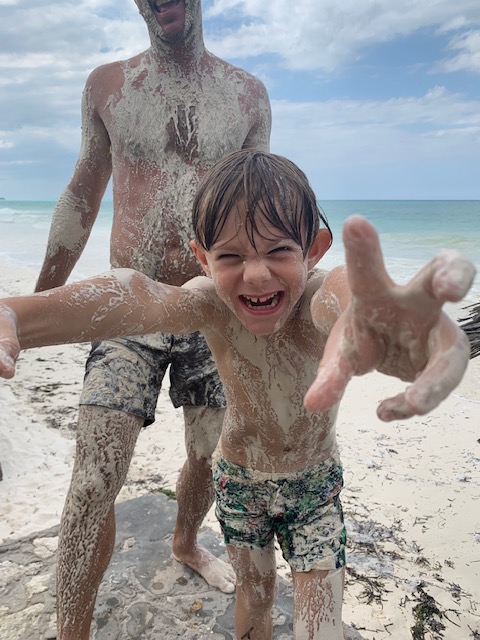
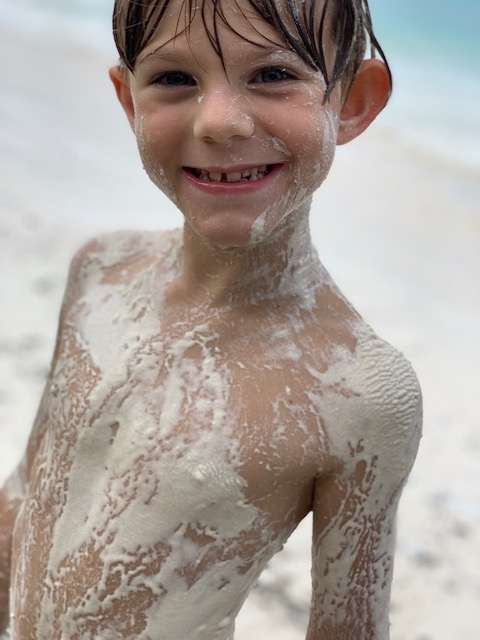
Once we had sufficiently recovered and rinsed off as much of this extraordinarily fine substance as we could, it was time to explore our surroundings. We were staying at a fabulously rustic little eco guesthouse and had somehow managed to bag a bungalow direct on the beach! Just incredible.
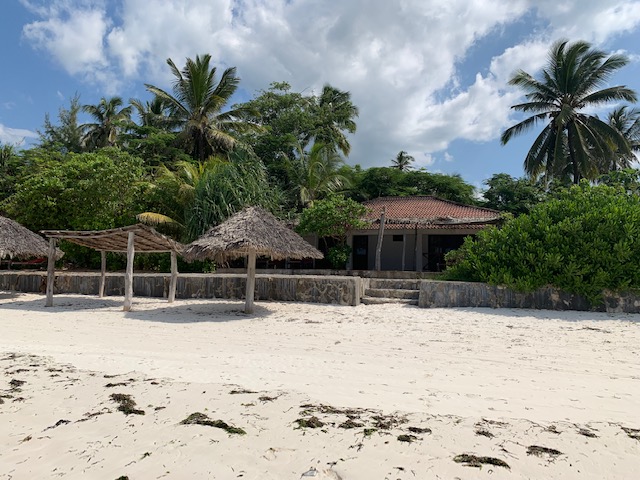
Regardless of whether you were looking to the left or the right down the beach, the view was the same, simply miles of this blindingly white, soft, silvery sand.
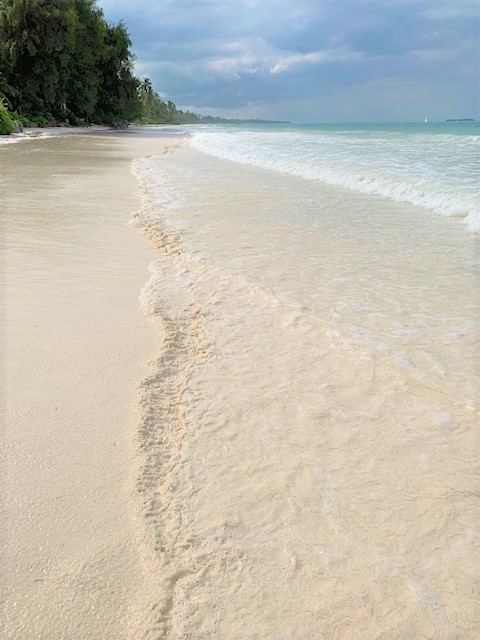
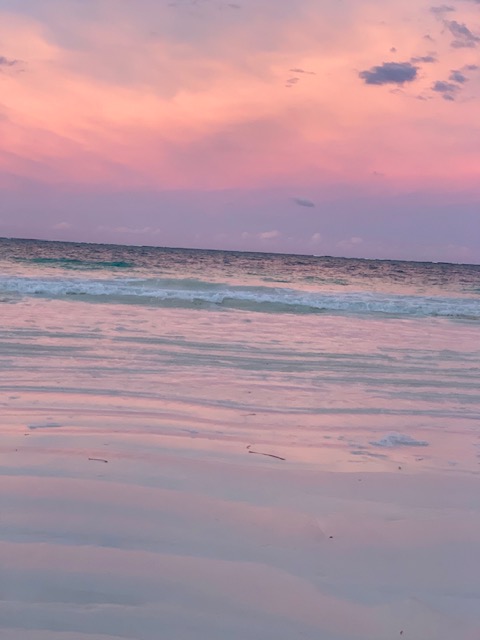
And the sun setting down low over the Indian Ocean. Wow. Totally amazing. Welcome to Zanzibar!
We woke the next morning with a bit of a start. We had read that there is a huge tide here on the east coast, but we had not quite fully appreciated the extent of this huge tide…. where on earth was the sea??
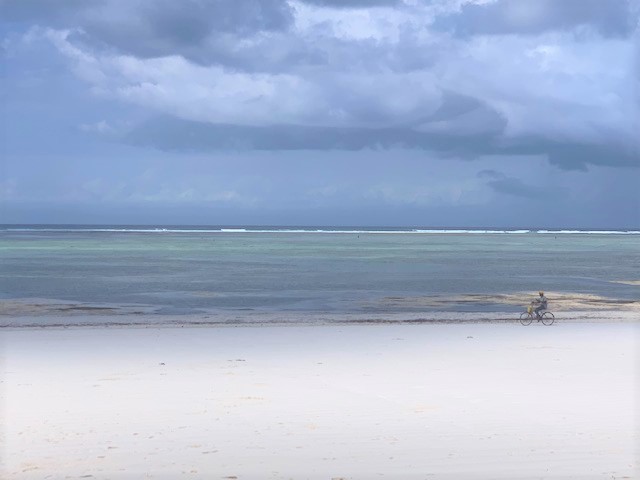
The entire east coast of this beautiful island is protected from the north to the south by a network of coral reefs, which forms a long shallow lagoon – perfect for calm, relaxing swimming at high tide. But by low tide, the sea can recede a full kilometer or more, right back to the actual reef itself. While this meant that swimming would be off the cards for the next few hours, it did mean a perfect opportunity for another kind of adventure!
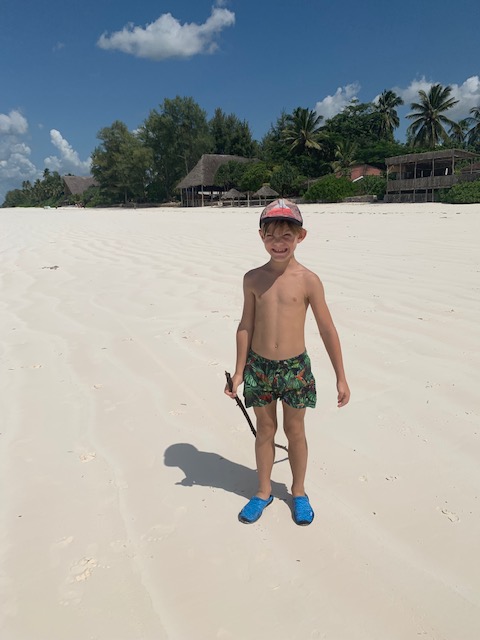
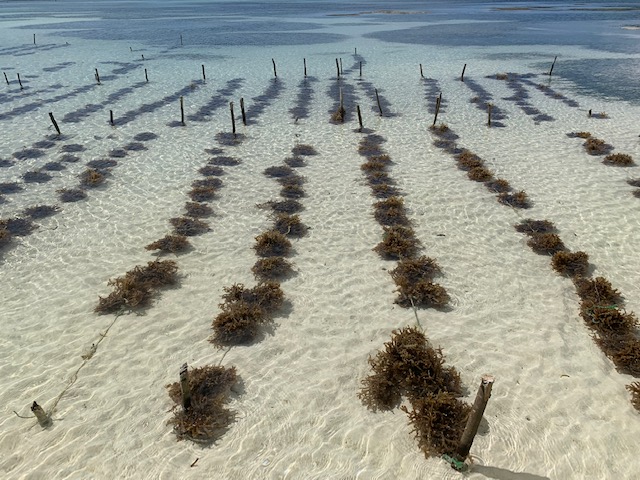
Walking along the beach we came across a series of curious looking sticks jutting out of the water. Upon closer inspection we discovered a small, perfectly tended plot of seaweed, with little clusters of these reddishy plants strung out along ropes between the sticks.
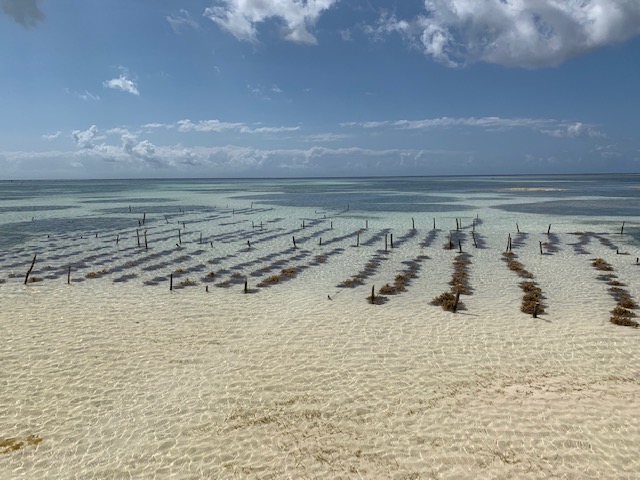
It seems seaweed farming is a big deal here. It’s not endemic, in fact the industry was introduced to Zanzibar in the 1980s, with the seaweed itself taking rapidly to the perfect conditions offered by the warm, shallow lagoon. The farming is undertaken by the local women, and has helped to contribute significantly the local economy, with the weed being exported to many other countries for use in the production of medicines, toothpaste and shampoo. It has been super successful at bringing financial independence to a lot of women, however the climate is changing and so is the viability of the industry. Rising sea temperatures are playing havoc with the health of the seaweed, and it would seem many livelihoods too.
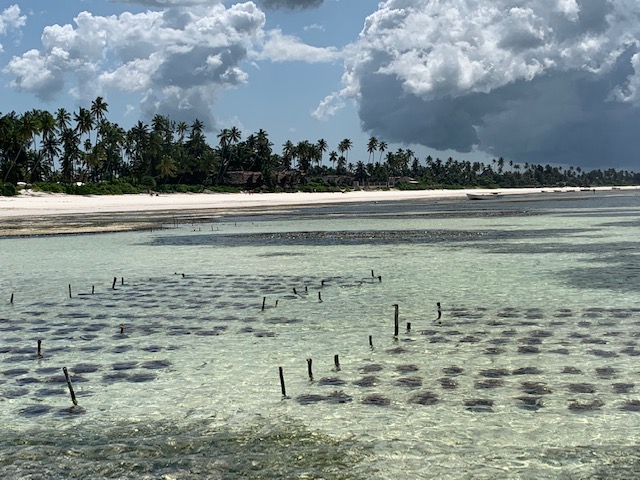
Yet further out in the water the reef was beckoning, and the beauty of Zanzibar was revealling itself further.
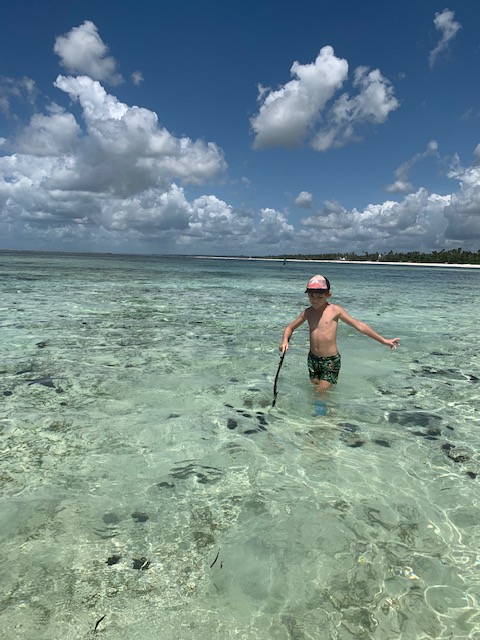
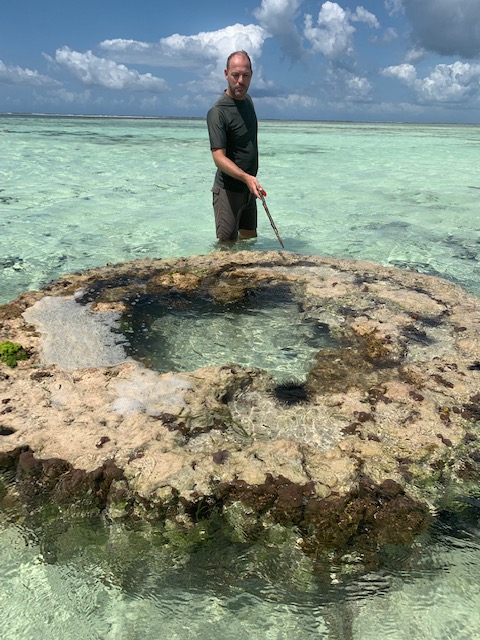
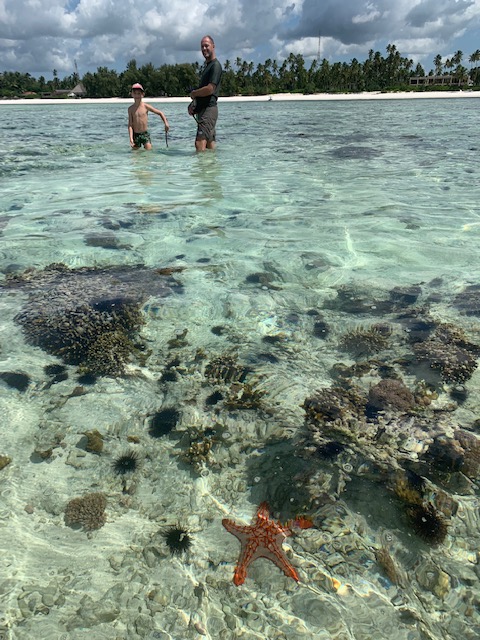
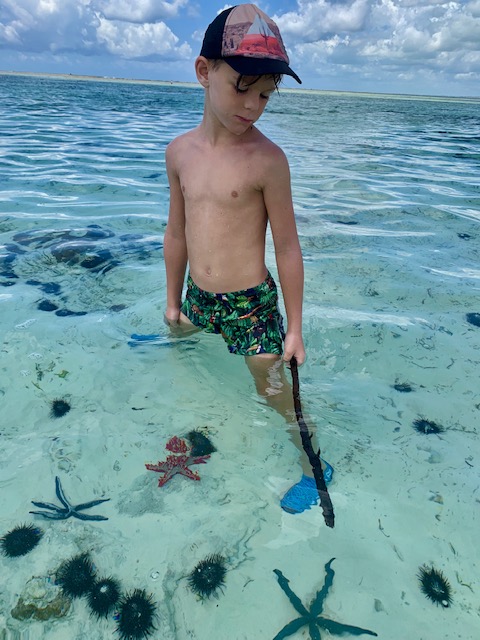
The sealife was unreal, our laborious path through countless groups of black spiky sea urchins was rewarded by the sight of the most incredible giant starfish, each one more beautiful than the next. Giant reds the size of dinner plates, intricate orange and greys, and pointy blue skinny ones.
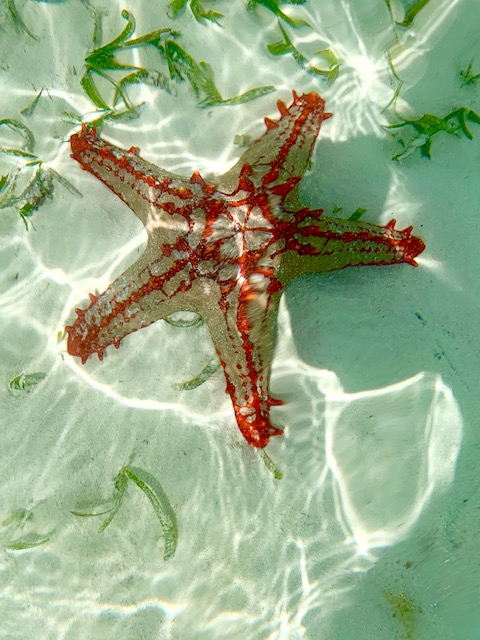
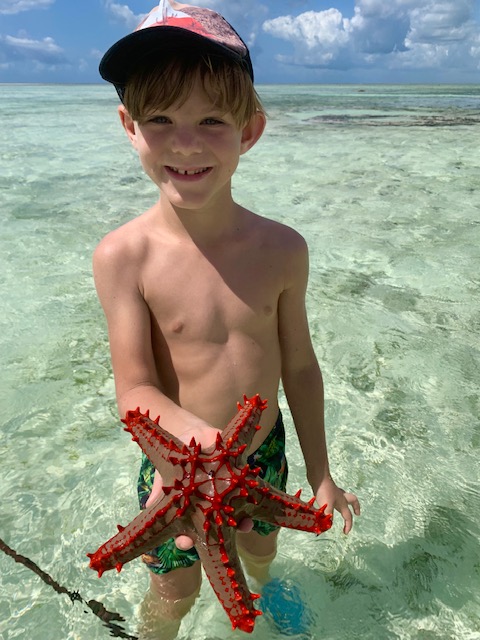
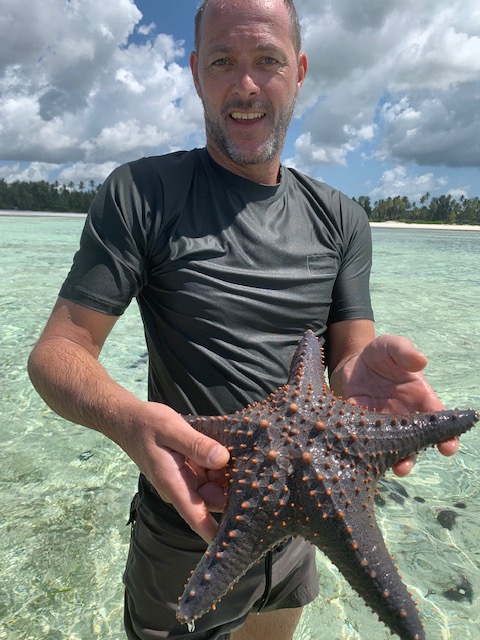
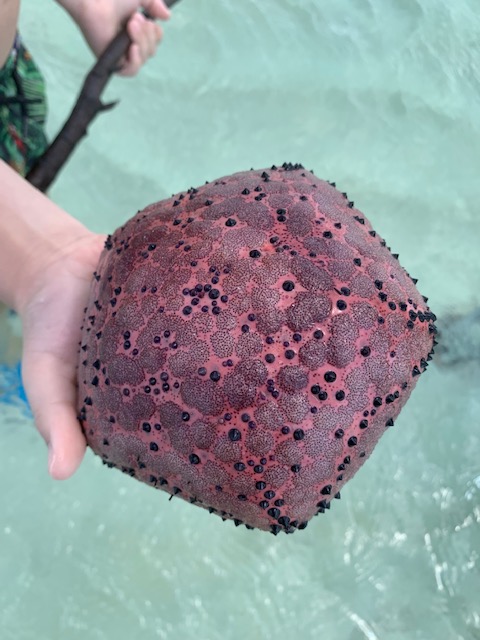
The crazy thing is you would turn one over to reveal an underside even more as stunning as the top!
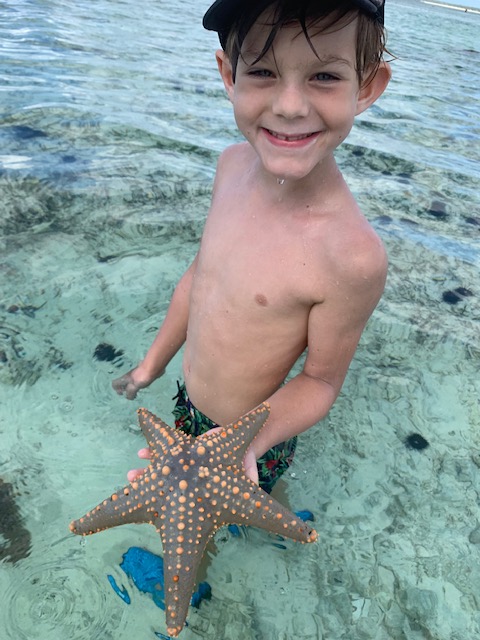
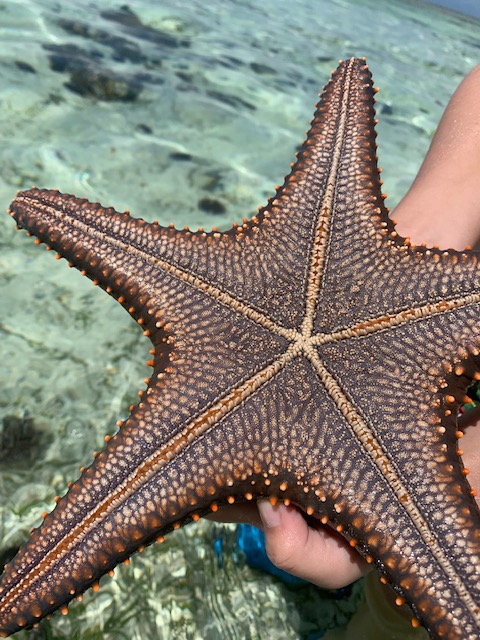
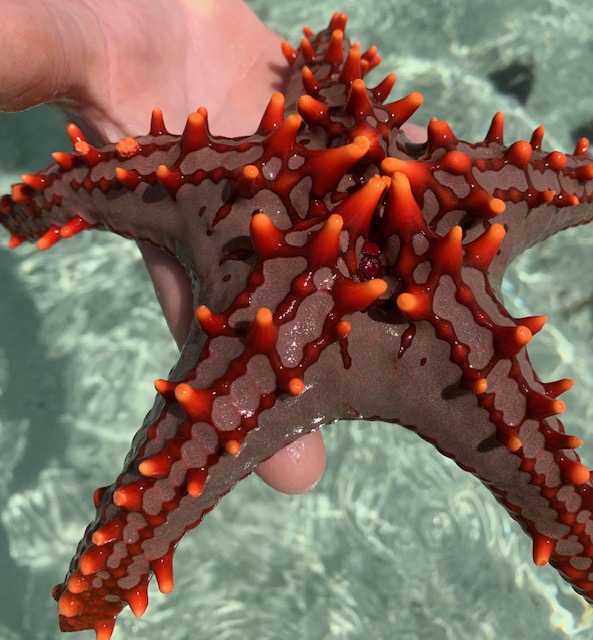
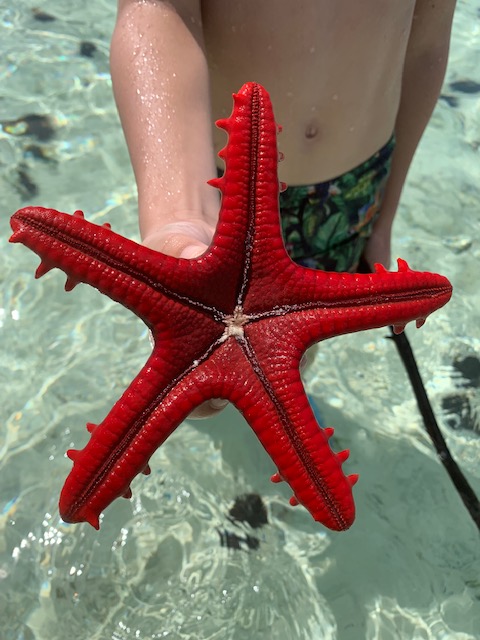
We were soon befriended by the local fishermen who took pride in sauntering over – often barefoot! – to show us their morning’s catch…
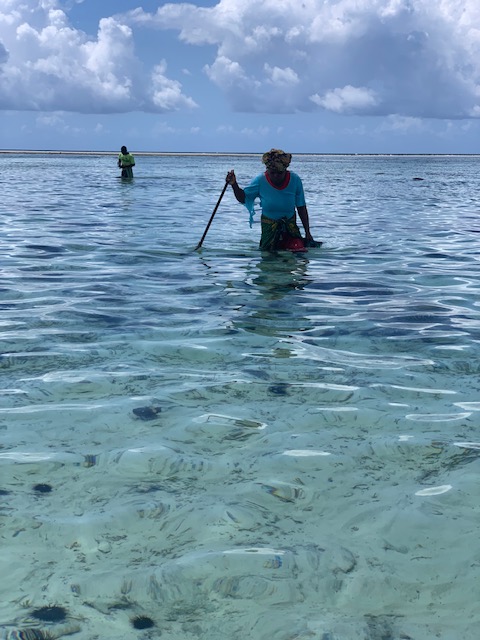
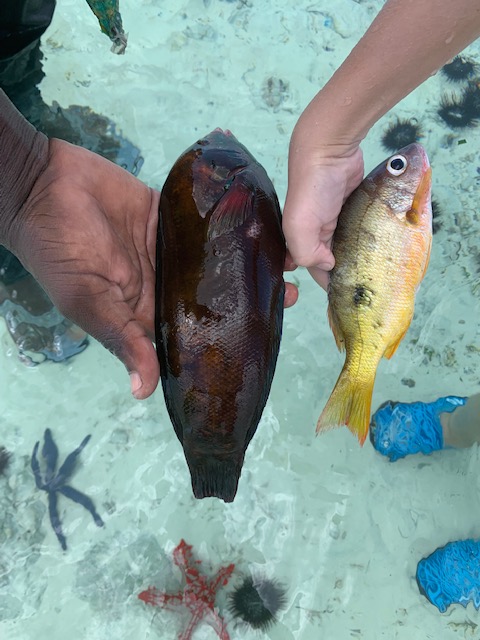
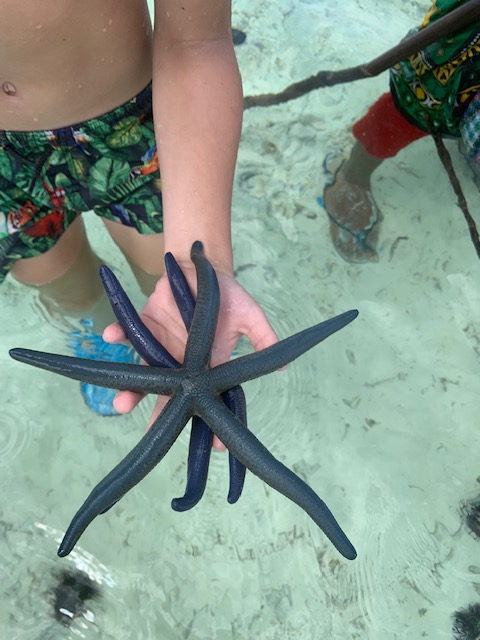
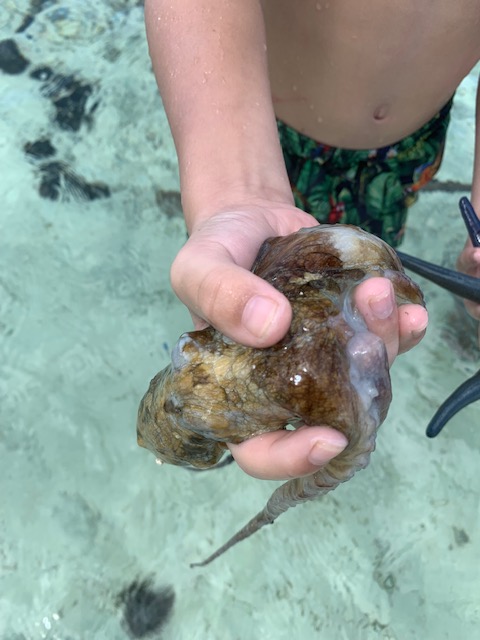
We continued to amble around the lagoon, dodging urchins and marvelling at the starfish and poking around the small rock formations. It wasn’t long before the next craziest thing happened. Remco, calling and pointing at some dark shapes only centimeters away from him, lurking in the shadows of the knee deep water….
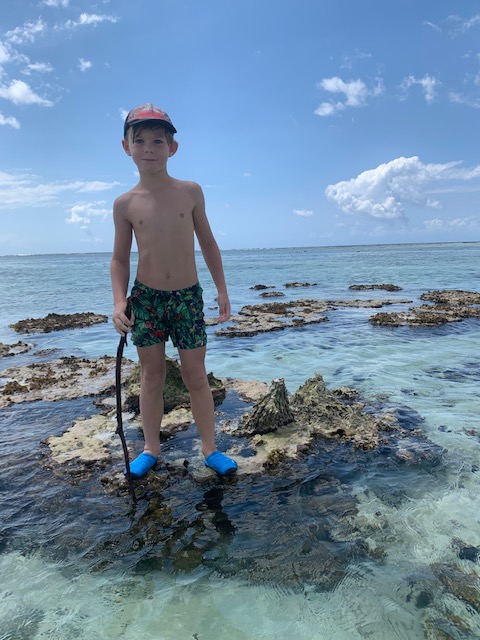
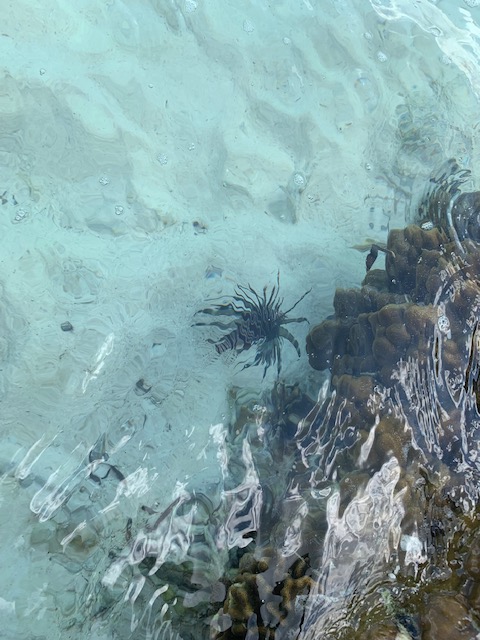
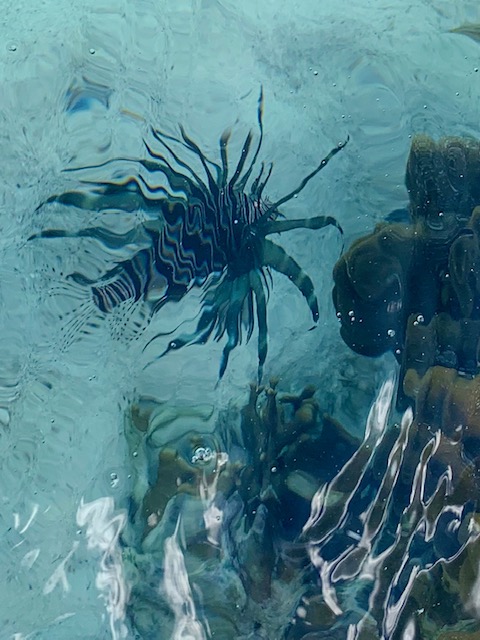
…a LIONFISH! That’s right, the beautiful, yet highly dangerous fish whose venom is is equivalent in toxicity to that of a cobra! And there was not only one, but at least four which we could clearly see clustered around this particular rock…. they may only have been sleeping, but aaaaaaaaaahhhhhh get me out of here!
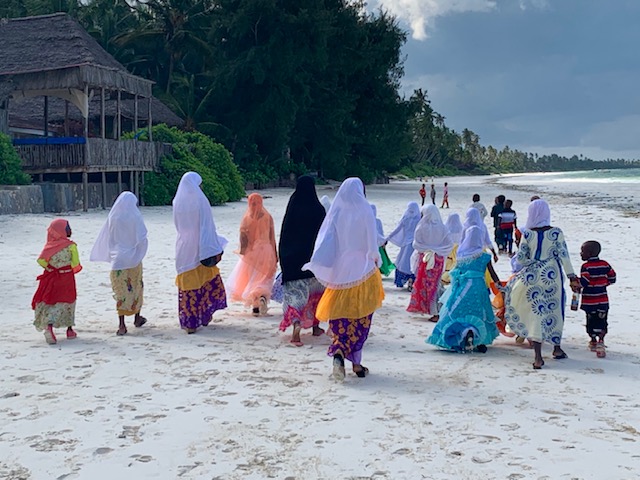
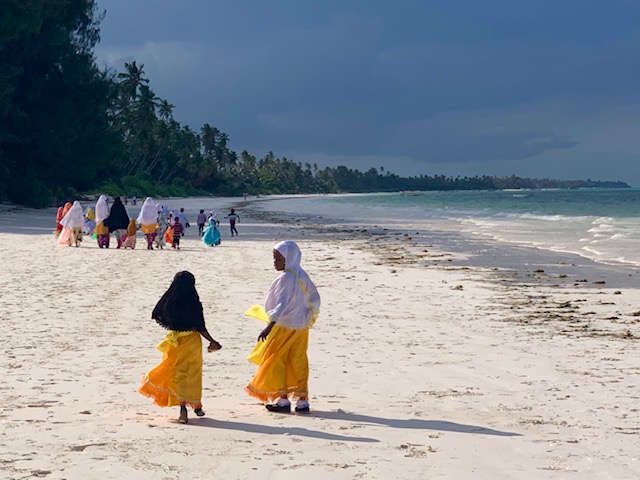
Back on dry land, and with a refreshing cool beverage in hand, the tide began to roll in and it was perfect time of day for a spot of people watching. Every day around about the same time, groups of small children, girls dressed in brightly coloured kanga headscarves could be seen striding down the beach. Local ladies, perhaps on their way to tend their seaweed plots, and the occasional Masai warrior offering his traditional wares to the occasional tourist along the beach.
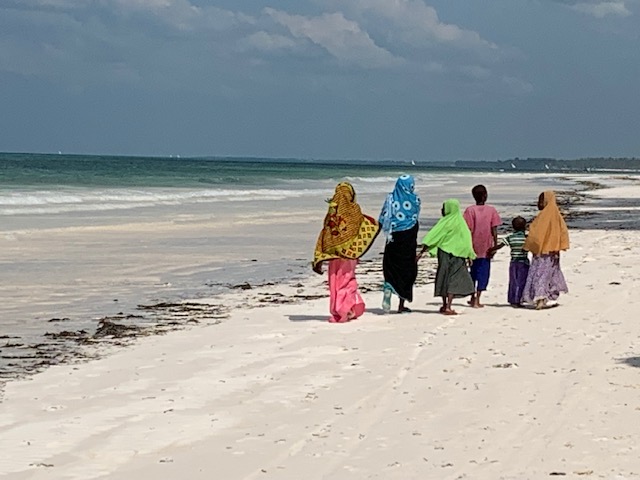
One one particular day – the bewitching sounds of the call to prayer suggesting it was a Friday – larger groups would appear, seemingly dressed in their best, on their way to or from the mosque. The super whites of the their kanzus (that’s a kandora for us here in the Gulf) and bright yellows of their skirts resplendent against the brilliant white sand and cerulean sky – certainly a sight to behold…
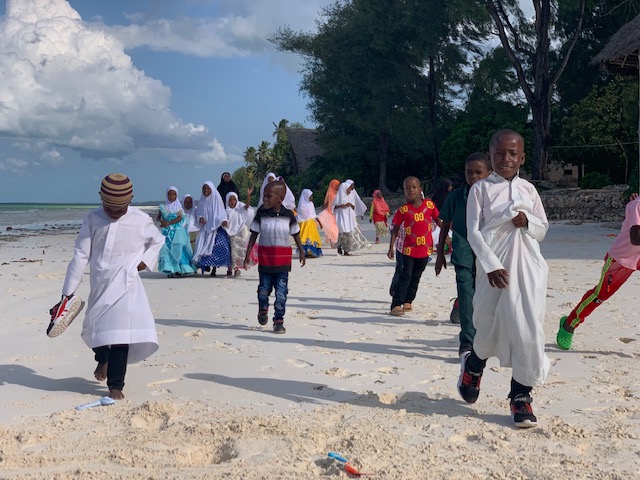
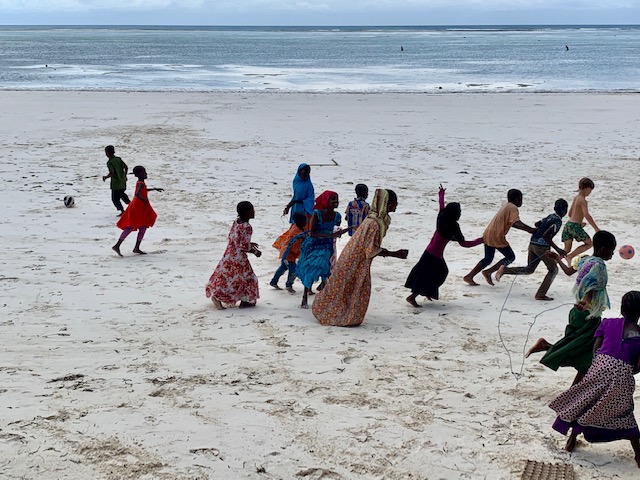
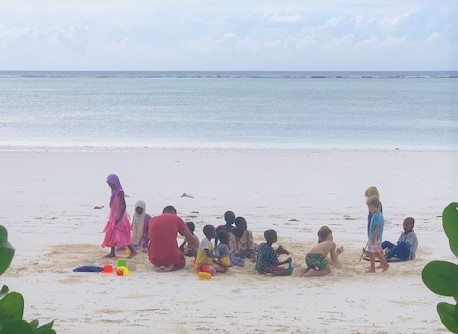
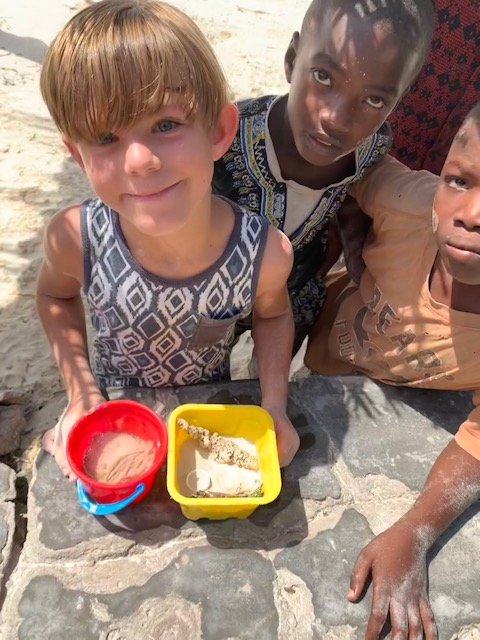
As the days passed it wasn’t long before the shyness ebbed, the football came out and the kids were all mucking in. It was a delight to see Remco learning some mad skills from these athletic little beach urchins. There were definitely some damn fine footballers in this village that’s for sure!
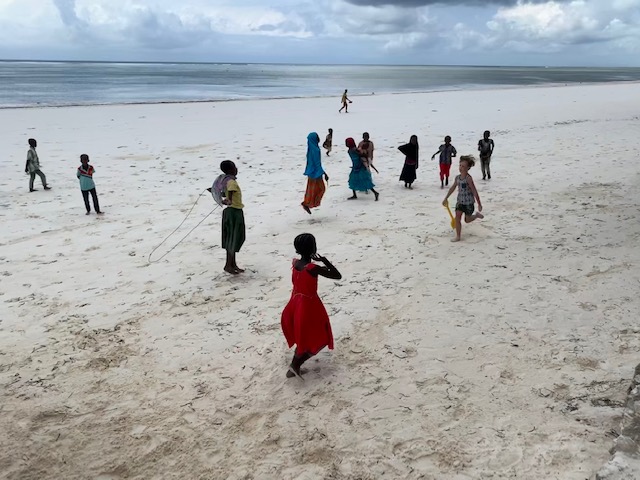
And then the buckets and spades would come out and it was all on!
The landscape doesn’t change much out here in the Indian Ocean, but every now and again you could look up from your book and see the sight of the iconic dhow gently gliding along the horizon…
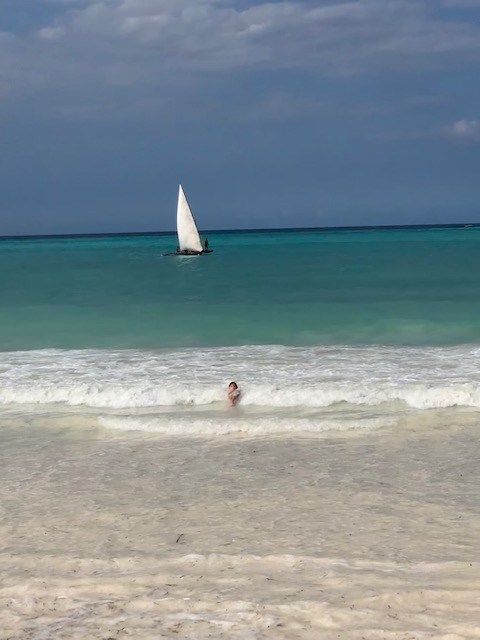
These vessels, instantly recognised by their striking triangular shaped sails were predominantly used as trading vessels plying the coastal towns along the Swahili coast and beyond. Often times nothing but a mere dugout (as opposed to their much larger seafaring cousins which would sail southwards from the Arabian peninsula, down the East African coast before harnassing the trade winds which would carry them across the ocean to the Malabar coast of India), they would traditionally be sewn together using coconut coir (which apparently was a medieval practice born from the belief that magnets under the sea could connect to and suck out any nails in a ship, thus condemning the crew to certain death beneath the waves!). We found one casually resting on the beach at low tide and went up for a closer look…
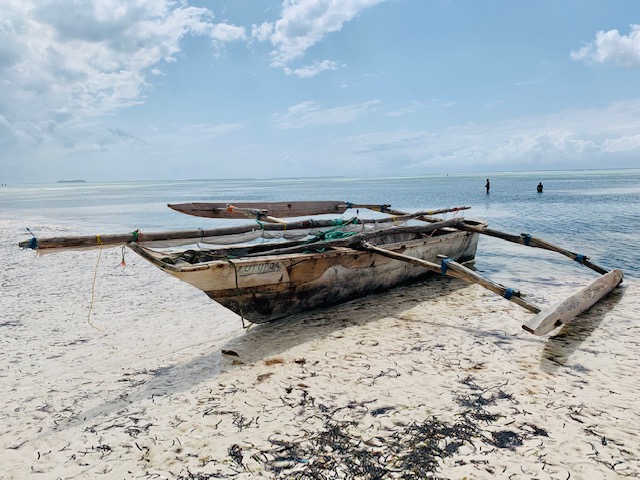
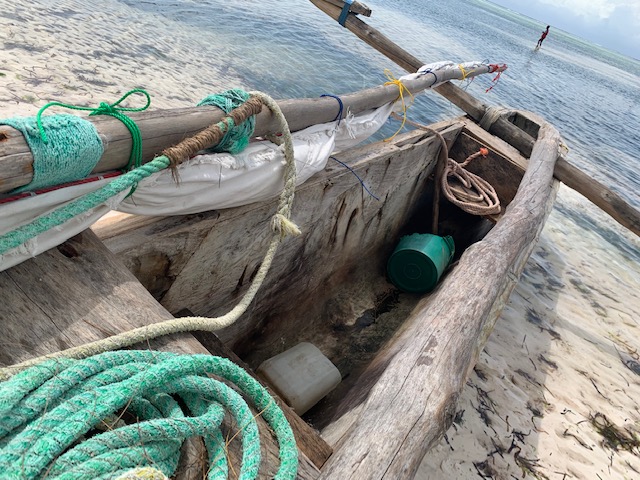
And sure enough…quite a bit of coconut fiber – albeit of the modern variety – action going on here! Yikes!!
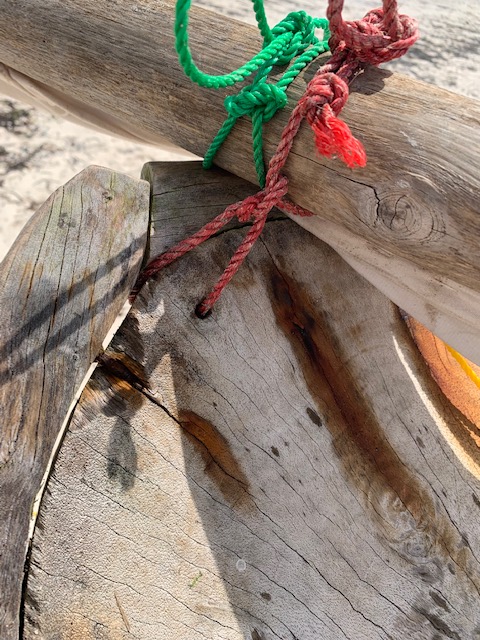
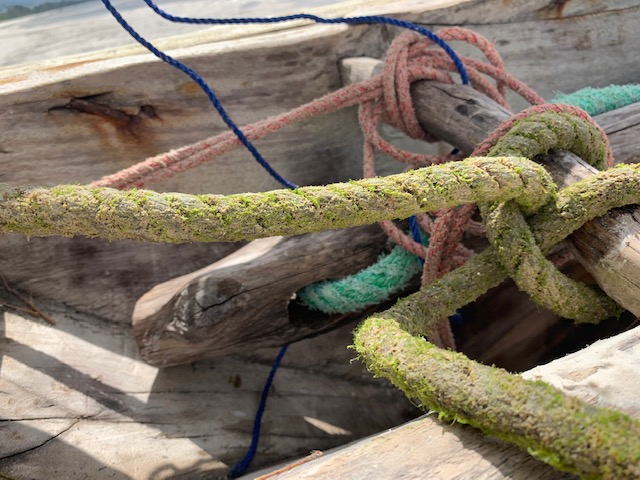
However no trip to Zanzibar would be complete without a sail in such a iconic vessel, so gathering up our courage – and securely fastening Remco into his lifejacket – off we went out into the deep blue yonder in a local Ngalawa rope-tied outrigger craft.
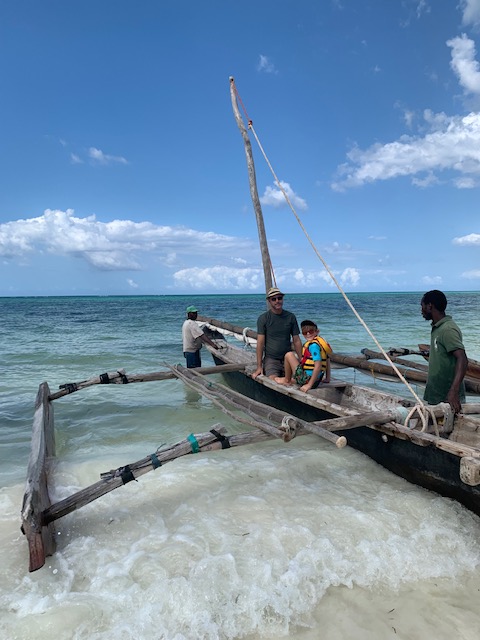
On one hand it was tremendously exciting and romantic to be out there on that ancient vessel, but on the other, quite unnerving to be perched on a plank in a mangowood dugout not much wider than your bottom, while the skipper uses very long pole to propel us over the coral reef with a few very large swells thrown in for good measure. A certain someone took all in his stride of course!
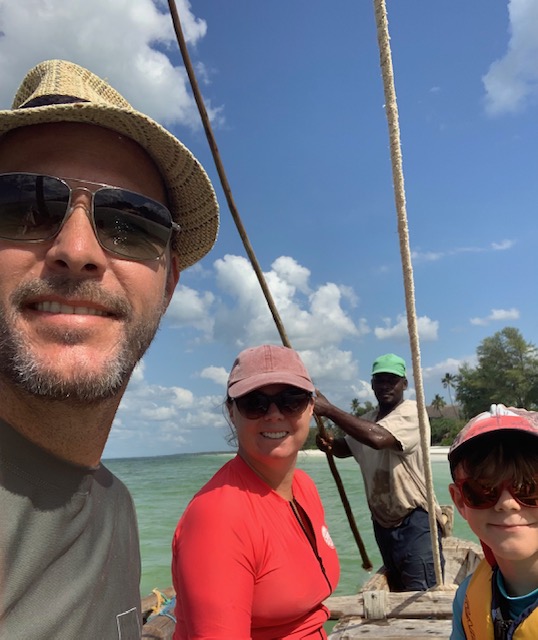
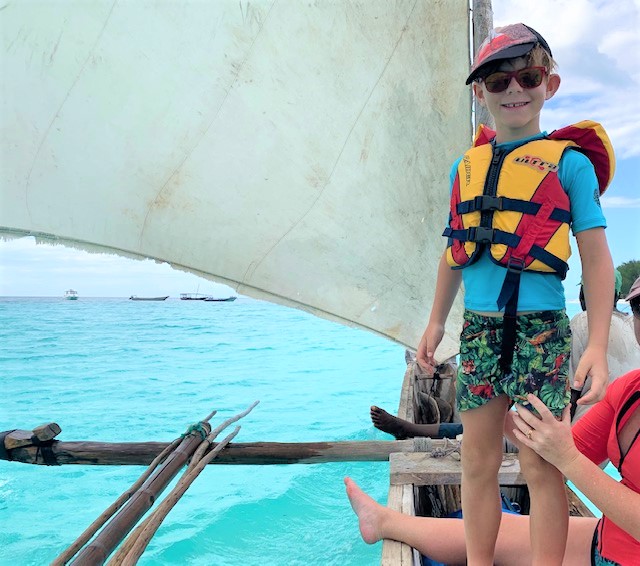
Now they say that there are at least 50 shades of blue, but I tell you, here in Zanzibar we’re talking at least 100. Each metre that you sail over, I swear the colour changes. And no, I don’t think I have EVER seen a blue as outrageous, as gorgeous or as luminescent as this one…
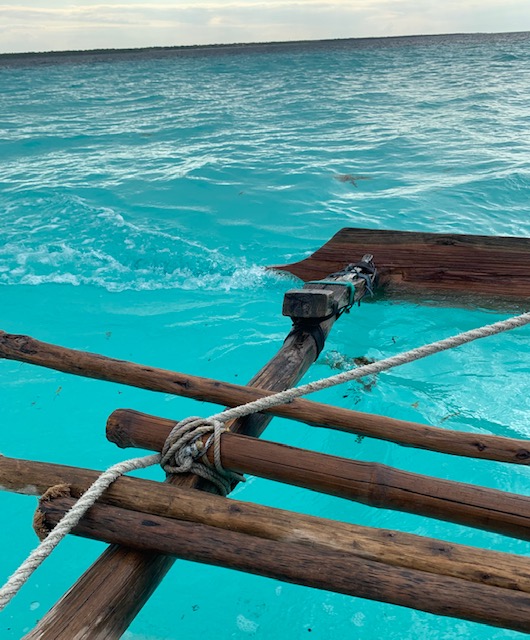
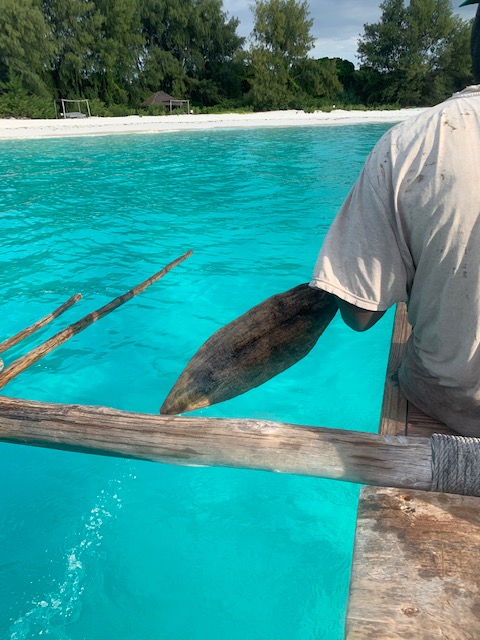
I don’t know if there’s even a name for a colour like this, so I think I’ll just settle for “Zanzabari Blue” : )
 The Desert Diaries Part 3